What are agentic AI tools?
Agentic AI tools are software platforms that enable the creation of autonomous AI systems capable of making independent decisions, planning, and executing complex, multi-step tasks without constant human intervention. These tools integrate large language models (LLMs) with other technologies like memory-driven reasoning engines, workflow orchestration, and API integrations to create intelligent agents that can assess context, adapt to changing conditions, and collaborate with other agents to achieve goals across various enterprise environments.
It’s important to distinguish between the tools used to build agentic AI systems and those used to deploy and manage them. Together, they form a full-stack ecosystem for creating, running, and scaling intelligent agents:
- Front-end agentic AI tools provide agentic capabilities to end users and business teams, enabling real-world interaction, orchestration, and task execution across enterprise environments. These platforms focus on usability, integration, and secure deployment.
- Back-end agentic AI tools give developers the infrastructure to construct agent behavior, including SDKs, vector stores, and reasoning engines.
Key Categories of Agentic AI Tools
Front End: Enterprise Agent Platforms
Enterprise agent platforms offer end-to-end infrastructure for deploying and managing agentic systems in production. These platforms integrate orchestration engines, observability tools, secure data access, and role-based controls tailored to business environments. They often support hybrid architectures, enabling on-premise, cloud, or edge deployment.
Security, compliance, and scalability are central concerns in enterprise contexts. These platforms typically include audit logging, API governance, sandboxing, and support for private LLMs to meet regulatory and operational requirements. They also allow non-technical users to define tasks or goals, enabling cross-functional collaboration with technical teams.
Front End: Autonomous Workflow Management
Autonomous workflow tools focus on executing multi-step tasks by chaining actions together, often using LLMs as decision-makers within a structured flow. Unlike traditional automation platforms, these tools allow for dynamic decision-making, adaptive branching, and reasoning based on live data. Agents can monitor task status, retry failed steps, or replan based on updated conditions.
These platforms often include visual builders or YAML/JSON-based configuration to define workflows. Built-in logging, versioning, and feedback loops help iterate and improve task performance over time. They are particularly useful for automating operational tasks like lead qualification, report generation, or incident triage.
Back End: Agent SDKs and Developer Frameworks
Agent SDKs and frameworks provide developers with the core primitives to build, customize, and run AI agents. These toolkits offer APIs, runtime environments, memory modules, planning components, and integration layers that abstract away infrastructure complexity.
These agents can reason over input, call tools (e.g., APIs, functions), interact with users or other agents, and adapt their behavior based on context.
Some frameworks emphasize collaborative agent behavior, such as multi-agent conversations or task delegation. Others focus on deterministic workflows or open-ended decision-making, offering fine-grained control over reasoning loops and error handling. These SDKs are foundational to building both single-agent applications and complex multi-agent systems.
Back End: Vector Databases
Vector databases provide the retrieval infrastructure for agentic systems to access and reason over unstructured data. By storing embeddings generated from documents, messages, or images, these databases enable similarity search and semantic recall, essential for context-aware reasoning.
These databases support fast approximate nearest neighbor (ANN) search across billions of vectors, often with filtering, metadata support, and time-based decay. Agents use vector databases to augment their memory, retrieve relevant context, or ground responses in factual sources.
Tight integration with LLMs allows agents to fetch relevant chunks of data on demand, enabling applications like RAG (retrieval-augmented generation), contextual planning, and document synthesis. Many platforms also support streaming updates, which keeps agents aligned with fresh data in real time.
Notable Front-End Agentic AI Tools: Enterprise Agent Platforms
1. Aisera

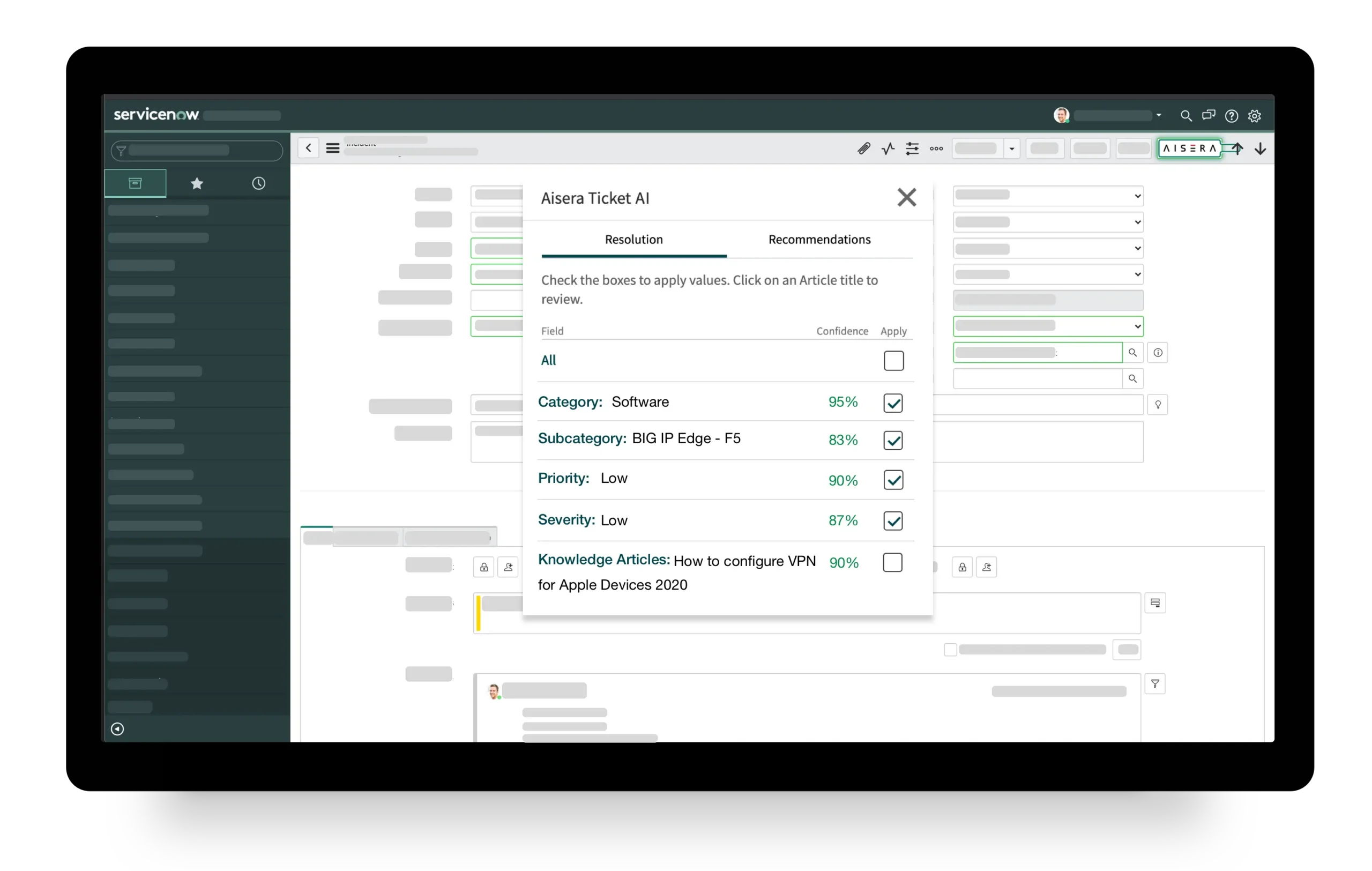
Aisera offers a unified AI agent platform to power end-to-end task execution across the enterprise. From IT to HR and customer service, Aisera agents automate work, resolve issues, and interact with users using natural, contextual conversation. It is built with a low-code/no-code interface, a library of prebuilt templates, and orchestration tools.
Key features include:
- Agent studio for rapid deployment: Create agents using no-code, low-code, or pro-code tools, supported by an extensive library of reusable templates and workflows.
- Context-aware conversations: Supports agentic, multi-turn interactions with contextual disambiguation to accurately interpret and resolve user queries.
- Multi-fulfillment and orchestration: Agents can query multiple knowledge bases and trigger concurrent actions, enabling full workflow execution in IT, HR, Finance, and beyond.
- Multi-modal interaction: Understands and responds to inputs across text, voice, images, and documents, delivering flexible and intuitive user engagement.
- Domain-specific LLMs: Uses specialized models tailored to different industries for more contextually relevant outputs.
2. Adept

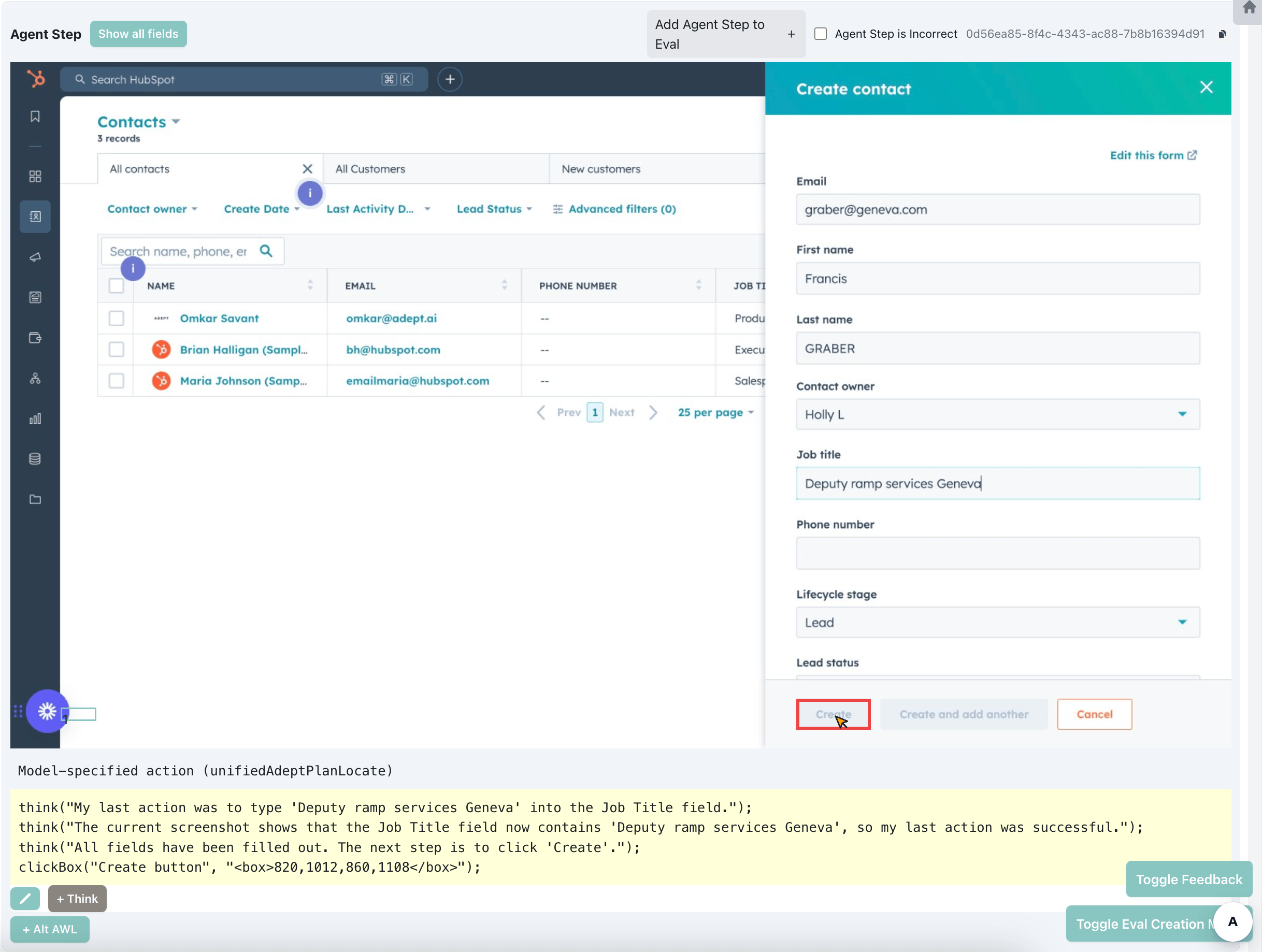
Adept delivers enterprise-grade agentic AI to turn user intent into actions across software applications and web interfaces. Built on a full-stack foundation, including proprietary training data, multimodal models, and a purpose-built actuation layer, Adept agents are engineered for high accuracy, speed, and adaptability.
Key features include:
- Full-stack agent platform: Combines proprietary training data, planning models, and a custom actuation layer.
- Web and UI understanding: Trained on trillions of tokens from real-world software usage to accurately locate, interpret, and interact with digital interfaces.
- Multimodal reasoning: Supports web visual question answering (Web VQA), enabling agents to analyze websites, PDFs, charts, and tables.
- EndWorkflow execution: Plans and completes multi-step processes autonomously, outperforming traditional models like GPT-4 in task accuracy.
- Custom actuation layer: Executes actions across web and software platforms using a proprietary domain-specific language (DSL), ensuring reliable automation.
3. Beam

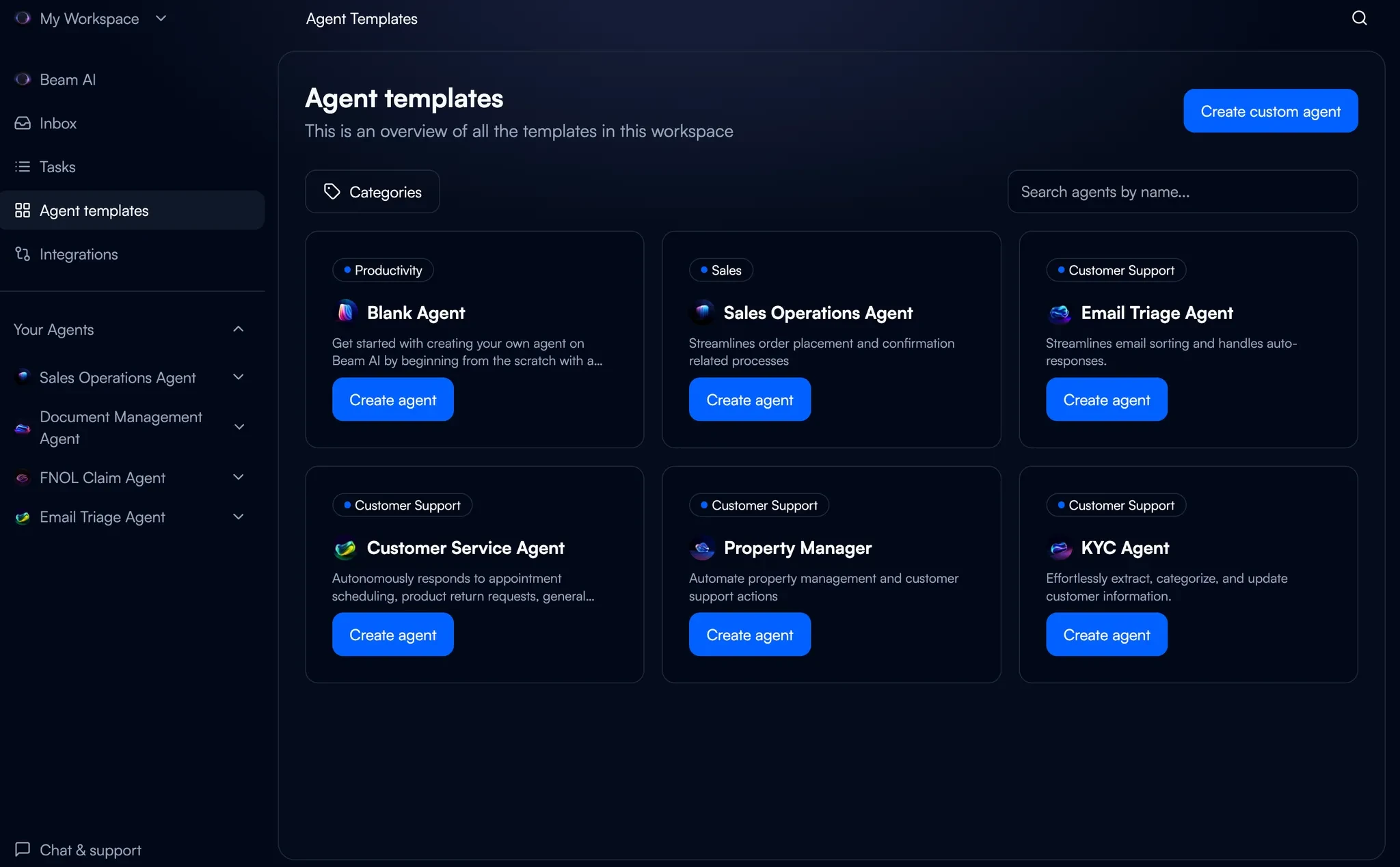
Beam offers a unified platform for agentic process automation, helping organizations deploy and manage AI agents at scale. With tools to create, customize, and orchestrate workflows across the existing tech stack, it enables transitions to AI-native operations.
Key features include:
- AI agent hub: A central command interface for managing agent activity, monitoring current tasks, reviewing history, and planning workflows with full transparency.
- Agentic automation: Enables process automation from task initiation to completion, reducing human error and operational costs while boosting productivity.
- Tool integration: Connects with platforms like Airtable, ClickUp, ServiceNow, and Asana to let agents interact with current systems without disruption.
- Modular AI tools: Offers a growing library of task-specific tools that agents use to execute actions, with support for custom tool creation to fit unique processes.
- Trigger-based activation: Agents respond automatically to a variety of event triggers, allowing them to act immediately when work is available.
Notable Front-End Agentic AI Tools: Autonomous Workflow Management
4. Microsoft Copilot Studio (Agent Flows)

Agent Flows in Microsoft Copilot Studio provide a low-code way to automate repetitive tasks and integrate applications through AI-powered workflows. These flows are deterministic, rule-based processes that can be triggered manually, on a schedule, or by events from other agents.
Key features include:
- Deterministic execution: Agent flows follow a consistent, rule-based logic path that ensures predictable results for the same inputs
- Flexible creation methods: Build workflows using natural language or a visual designer with drag-and-drop components, loops, and conditions
- AI-powered actions: Integrate large language models to generate responses, process documents, or run prompts as part of the automation
- Connectors and integrations: Access built-in connectors to Microsoft 365, third-party platforms, or custom APIs for data access and task execution
- Human-in-the-loop support: Include approvals, data input, or review steps for scenarios that require human decision-making

5. Azure Logic Apps

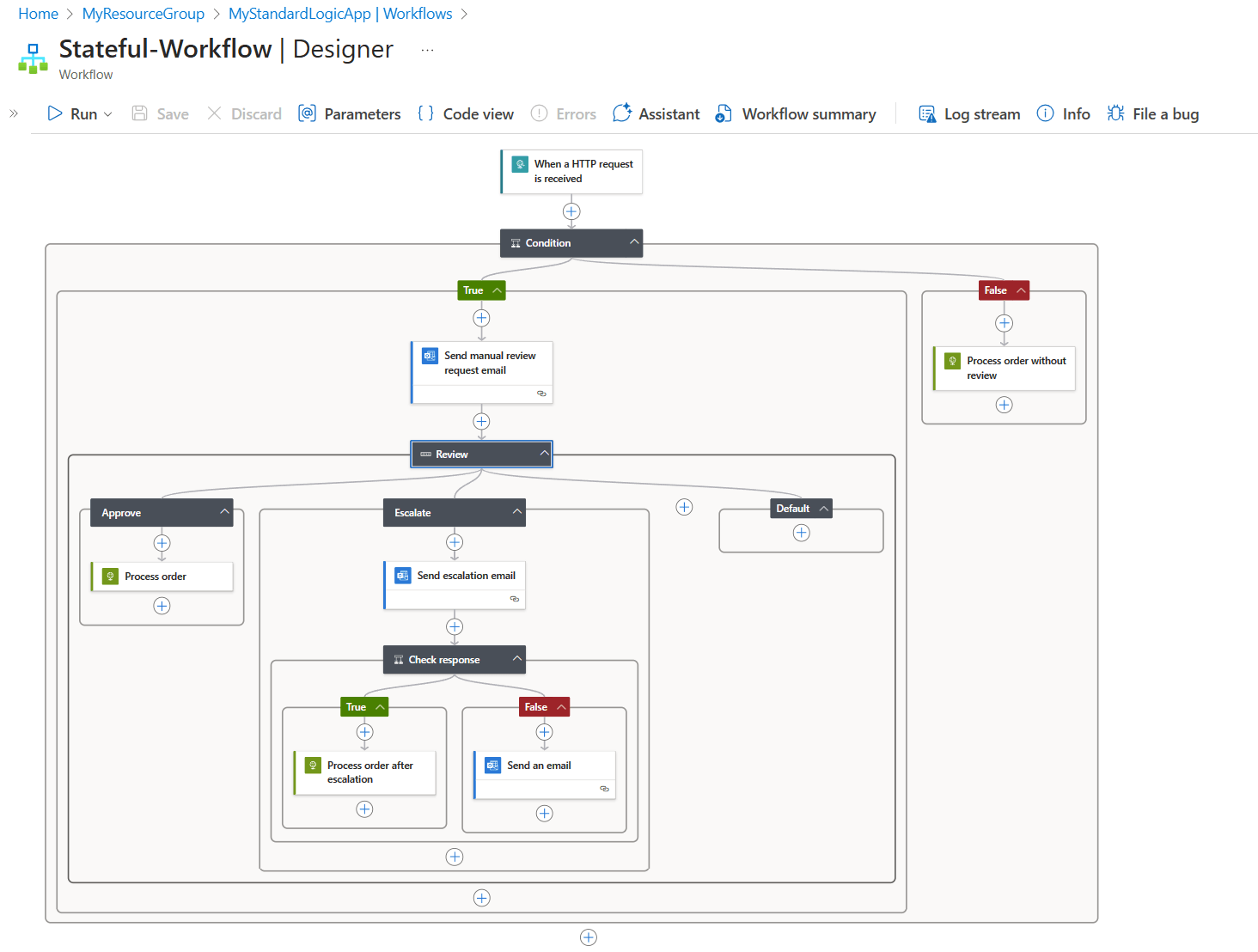
Azure Logic Apps is an enterprise-grade platform for orchestrating agentic workflows and multi-agent business processes. It enables organizations to integrate services, automate operations, and coordinate autonomous agents at scale using a visual designer, prebuilt connectors, and custom code.
Key features include:
- Adaptive agent orchestration: Supports nested workflows, multi-agent coordination, and seamless handoffs for scalable, intelligent automation
- Foundry integration: Leverages Microsoft Foundry Agent Service to access AI models, agent catalogs, and tools like the Python Code Interpreter
- Prebuilt and custom connectors: Offers over 1,400 connectors for enterprise systems (e.g., SAP, Dynamics, Salesforce) and B2B formats like EDIFACT and X12
- Visual design and templates: Drag-and-drop workflow builder with reusable organizational templates for consistent deployment
- Code extensibility and testing: Add custom logic using Python, .NET, JavaScript, or PowerShell, and validate workflows with an automated test framework
6. Akira AI

Akira AI is a platform for agentic workflow automation that embeds AI agents into existing business systems and processes. It supports multi-agent orchestration, autonomous operations, and domain-specific agents for functions like analytics, QA, HR, and IT operations.
Key features include:
- Autonomous agent workflows: Deploy AI agents to manage complex business processes with minimal human intervention, improving efficiency and scalability
- Specialized agent library: Includes domain-focused agents like Agent Nova (planning), Agent SRE (system reliability), Agent QA (testing), and Agent Instruct (training support)
- System integration: Embeds into existing enterprise platforms (e.g., SAP, Oracle Fusion, ServiceNow) for smooth adoption and enhanced functionality
- Use case coverage: Supports a range of business functions including customer support, procurement, finance, IT, security operations, and regulatory compliance
- Operational impact: Improves productivity, speeds up decision-making, and supports risk mitigation through automation
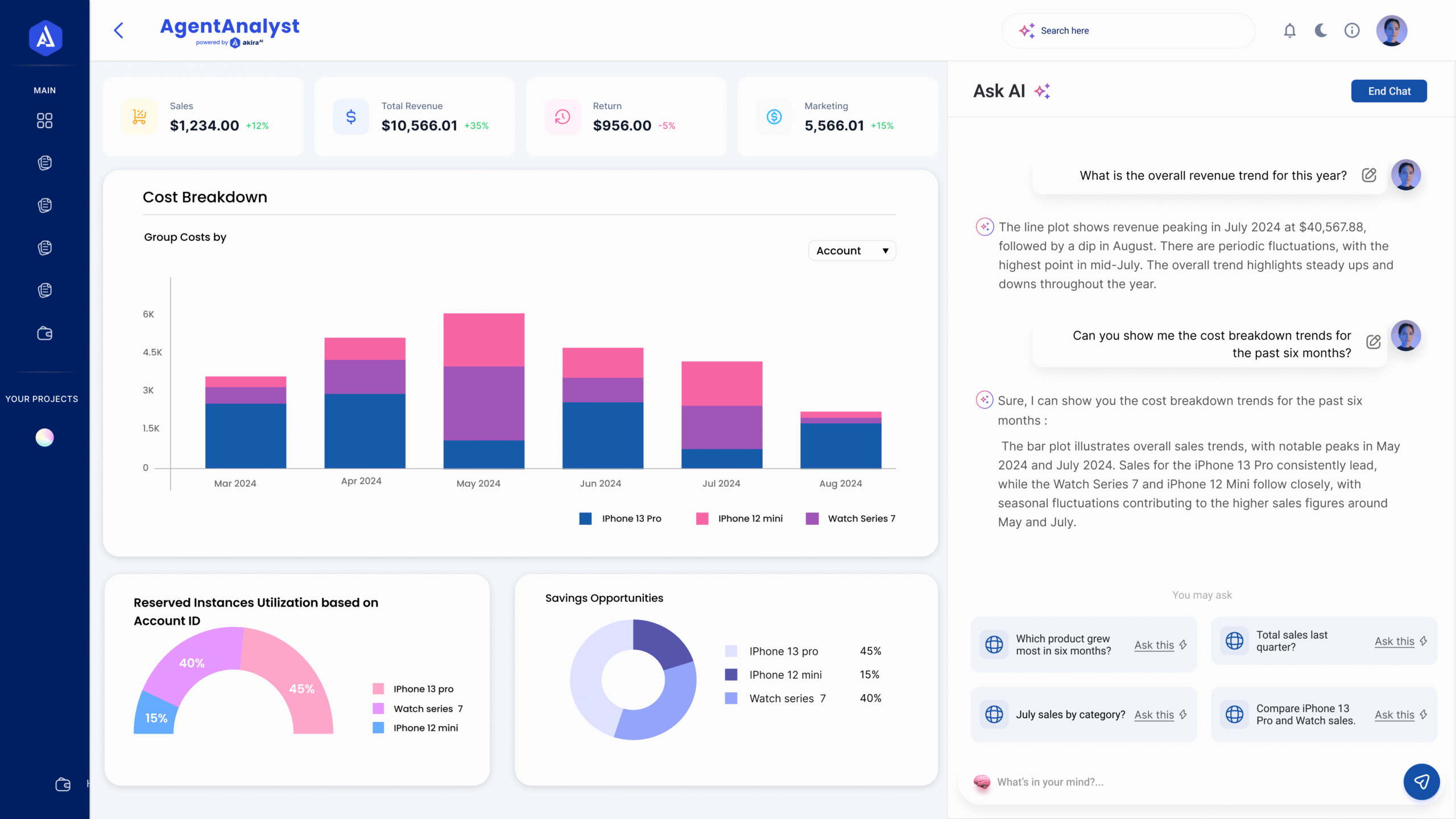
Source: Akira AI
Notable Front-End Agentic AI Tools: Agent SDKs and Developer Frameworks
7. ChatGPT Agents
ChatGPT agents represent a unified agentic AI system capable of executing complex tasks from start to finish using a virtual computer and a suite of integrated tools. These agents combine the capabilities of earlier tools like Operator (for interacting with websites) and deep research (for analysis and synthesis). The result is a general-purpose digital assistant that understands natural language instructions and acts on them.
Key features include:
- Workflow execution: Executes tasks independently by combining reasoning, browsing, coding, and analysis into a single workflow.
- Tool integration: Leverages a visual browser, text-based browser, terminal, and API access to handle diverse task requirements.
- Context preservation: Maintains memory and task state across tools and steps, enabling seamless multi-step execution.
- User oversight and control: Requests confirmation before performing critical actions and allows user intervention at any point.
- Connector support: Integrates with third-party services like Gmail or GitHub for contextual task execution.
8. Anthropic Claude Agents
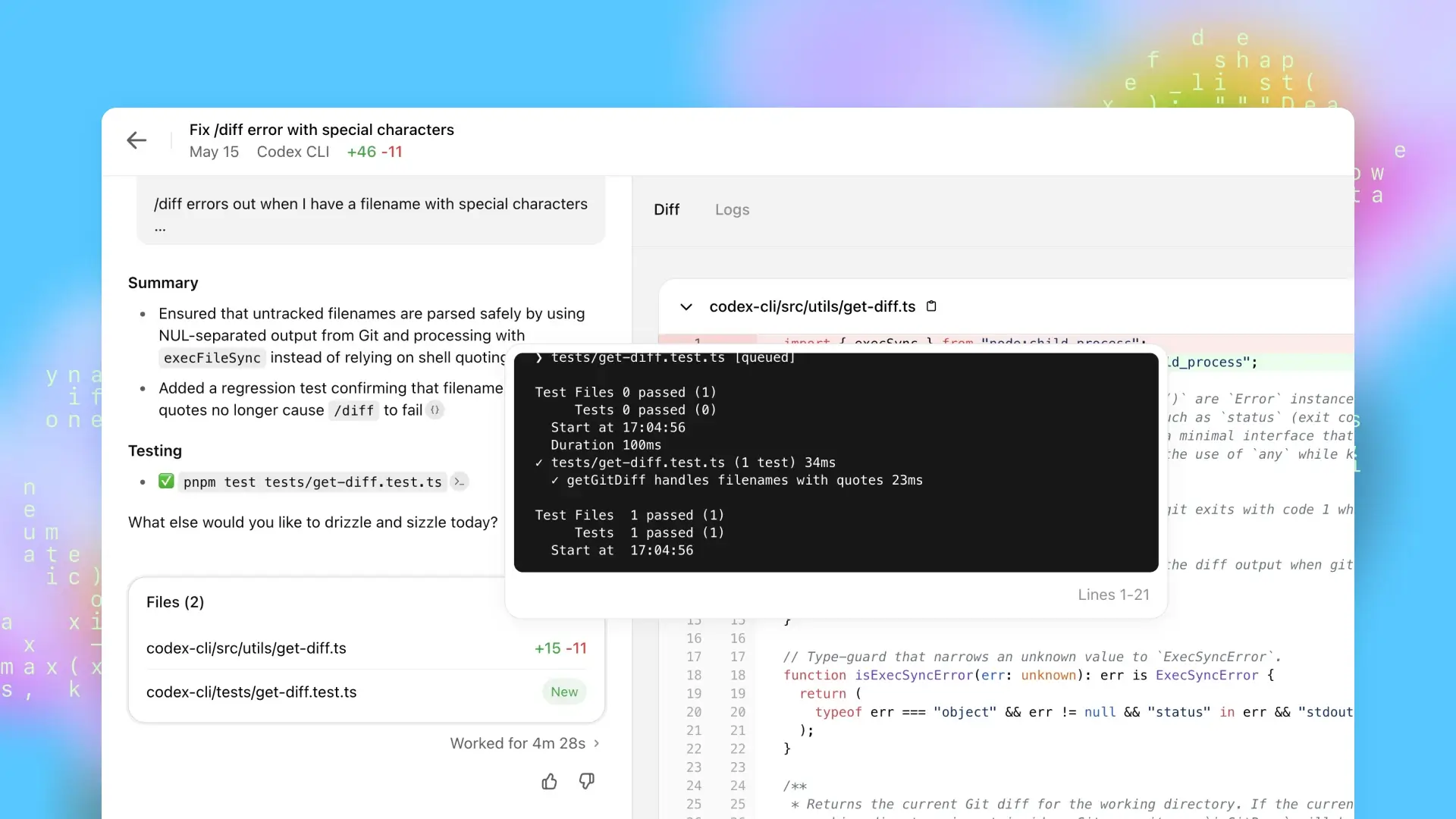
Claude agents are production-ready AI systems built using Anthropic’s Claude models, designed to plan, act, and collaborate across complex workflows. Powered by Claude Opus 4.1, these agents are optimized for high reasoning ability, safe decision-making, and fluid user interaction.
Key features include:
- Reasoning and planning: Built on Claude Opus 4.1, agents excel in tasks that require logical thinking, step-by-step planning, and adaptive behavior.
- Conversational collaboration: Claude’s human-like communication style enables agents to work interactively with users, refining outputs and clarifying goals through natural dialogue.
- Developer-focused tooling: Anthropic’s API and Workbench provide the infrastructure to build, test, and deploy agentic behaviors with minimal friction.
- Code-focused agent workflows: With Claude Code, developers can collaborate with Claude directly from the terminal to automate coding tasks like migrations, bug fixes, or refactoring.
- Safety and brand alignment: Claude leads in safety benchmarks, ranking highly in honesty, jailbreak resistance, and brand-safe outputs.
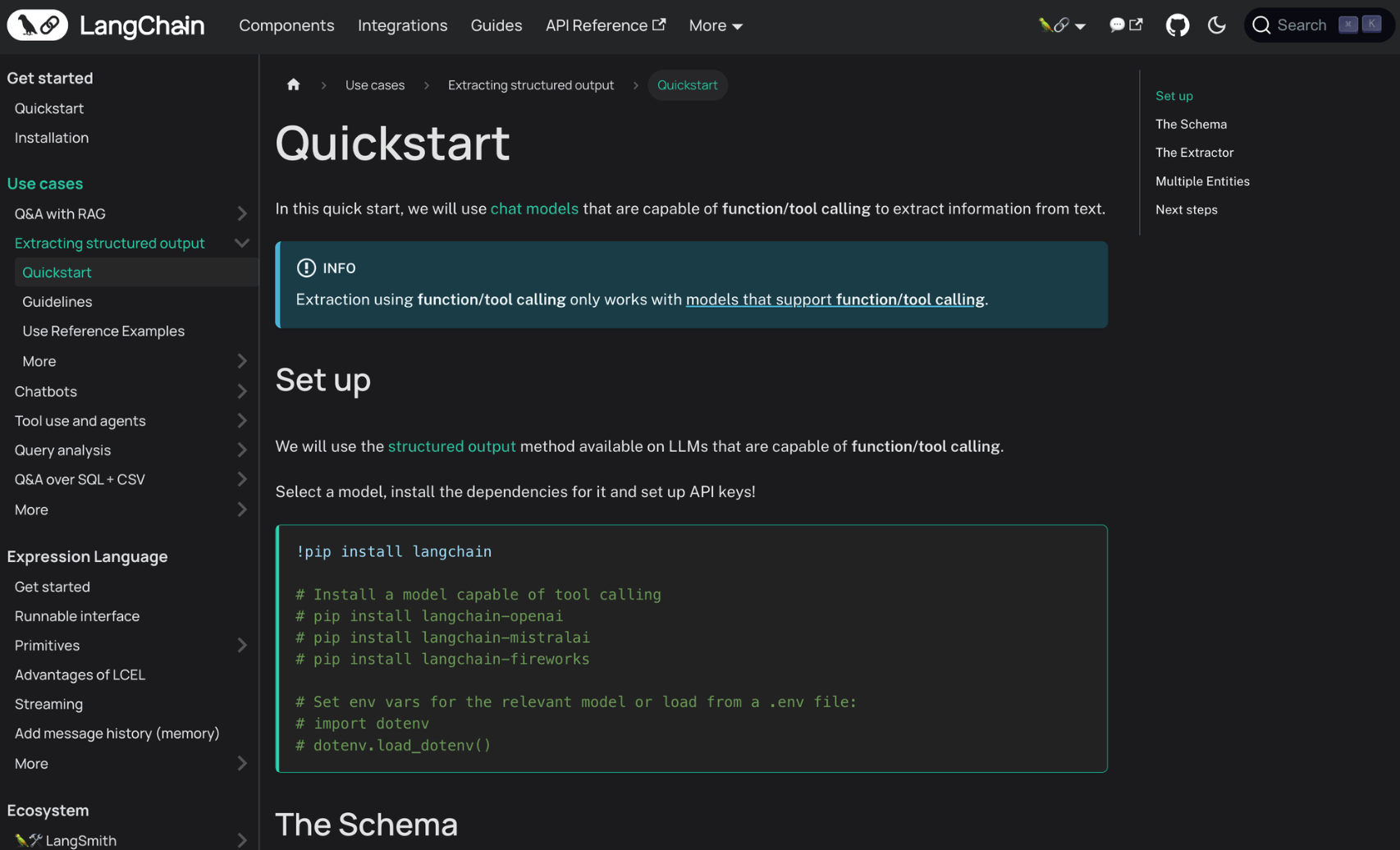
9. LangChain

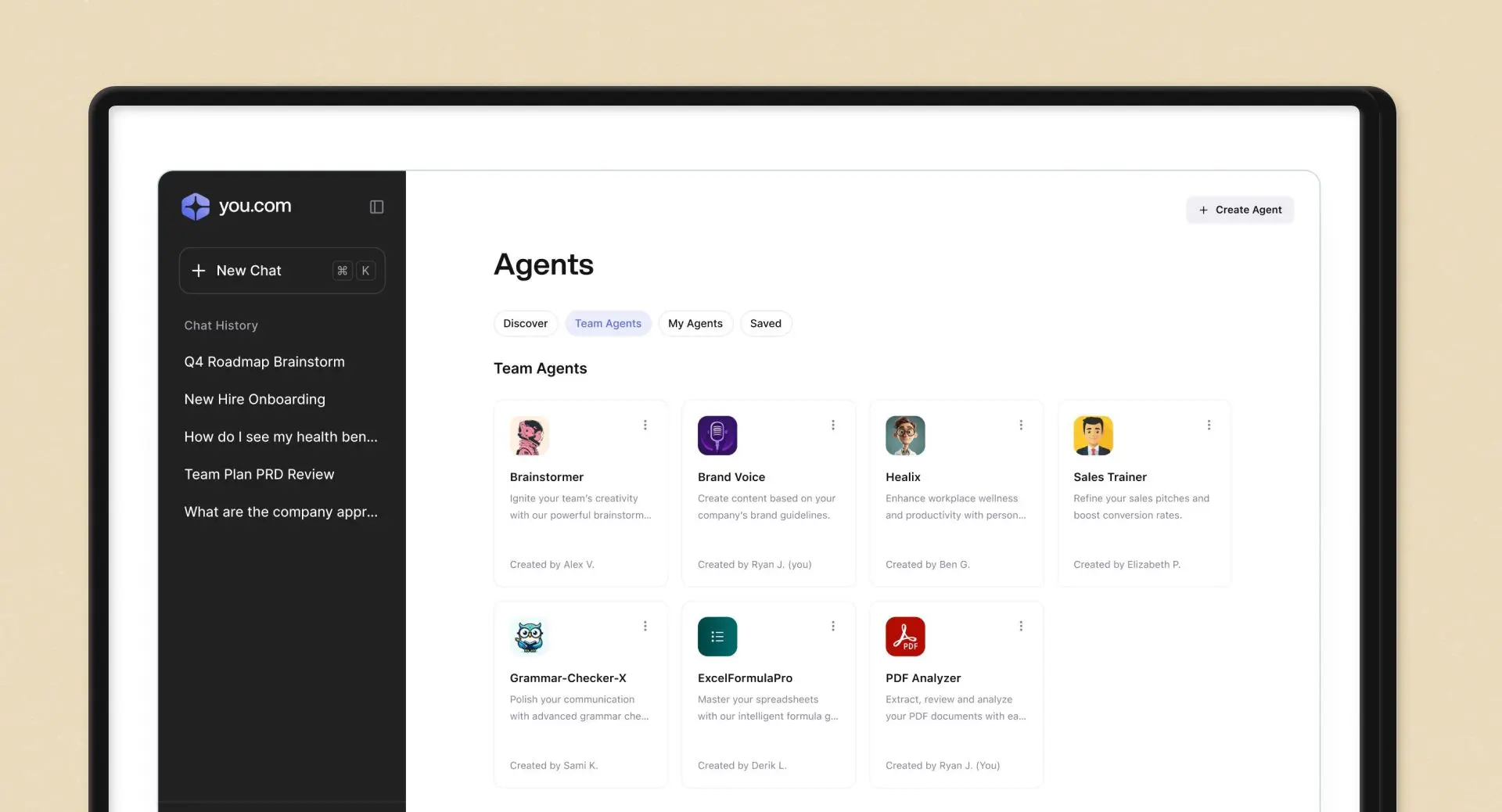
LangChain is a modular agent framework that enables developers to build, evaluate, and deploy AI agents with integrated observability and performance tooling. It offers open source libraries such as LangChain and LangGraph, alongside LangSmith, a platform for monitoring, evaluating, and managing agents across their lifecycle.
Key features include:
- Pre-built agent frameworks: LangChain and LangGraph provide primitives for constructing single-agent or multi-agent workflows with low-code or fully customized logic
- Integrated observability: LangSmith offers step-by-step tracing to help debug, analyze, and explain agent behavior across tasks
- Evaluation tooling: Supports realistic test set generation, scoring, and iterative improvement of agent outputs using production data and expert feedback
- Agent-ready infrastructure: Built to support long-running, memory-enabled agents with auto-scaling and enterprise-grade deployment APIs
- Framework agnostic: Works with any open source agent framework or custom agent code via TypeScript or Python SDKs
Related content: Read our guide to agentic AI frameworks
Notable Front-End Agentic AI Tools: Vector Databases
10. Cassandra

Apache Cassandra is an open source, distributed NoSQL database for high availability, fault tolerance, and linear scalability. Its masterless architecture ensures there are no single points of failure, making it suitable for mission-critical workloads across hybrid, cloud, or on-premises environments.
Key features include:
- Distributed architecture: All nodes are equal (there is no master node) ensuring no single points of failure or bottlenecks
- High availability and fault tolerance: Replicates data across datacenters and recovers from node failures without downtime
- Linear scalability: Read and write throughput increases proportionally as new nodes are added, with no service interruption
- Flexible replication: Supports both synchronous and asynchronous replication per operation, with optimizations like Hinted Handoff and Read Repair
- Security and observability: Includes audit logging for DML, DDL, and DCL operations, plus workload analysis via fqltool

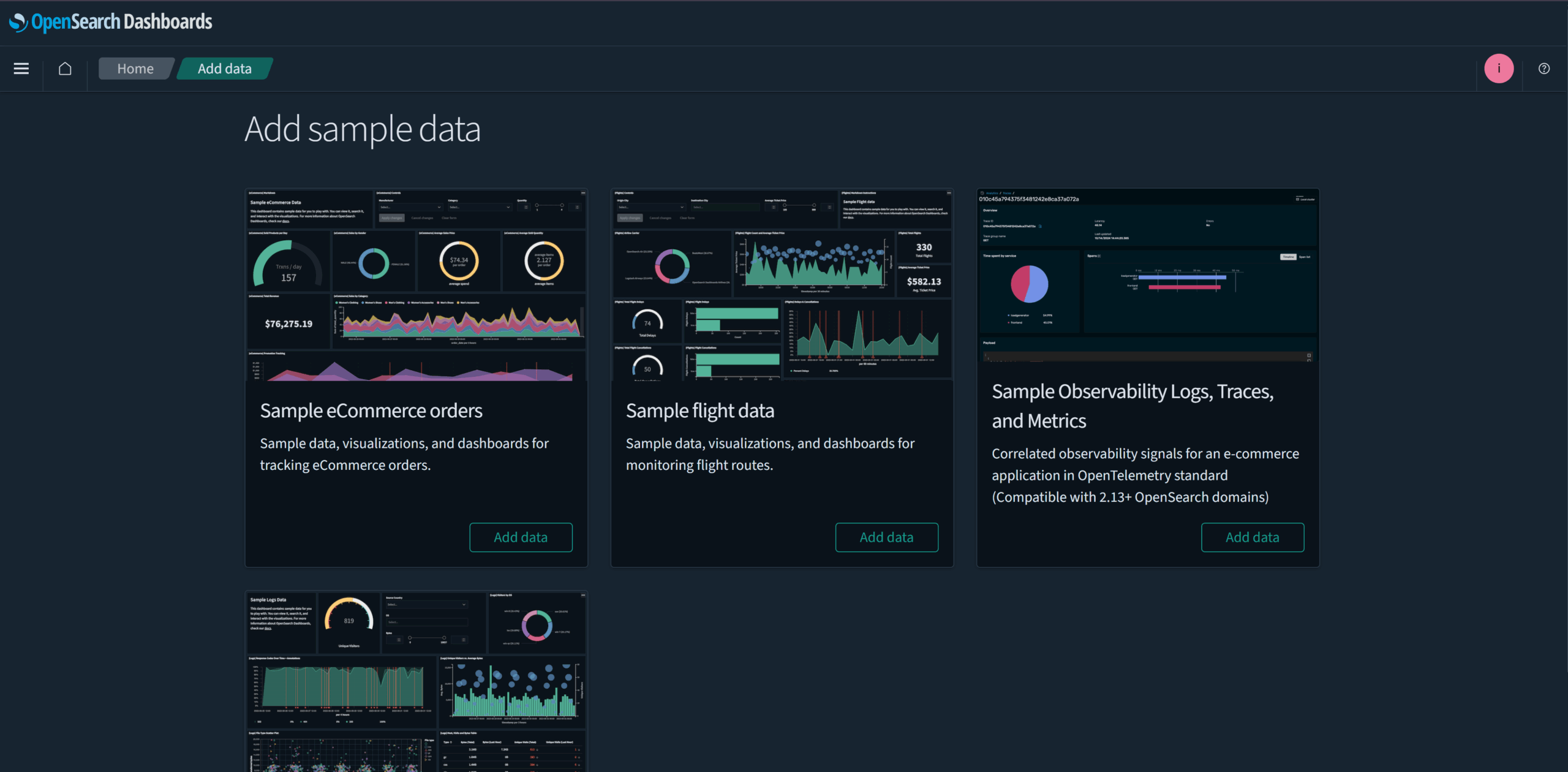
11. OpenSearch

OpenSearch is an open source search and observability platform to manage and extract insights from large volumes of unstructured data. Backed by the OpenSearch Software Foundation and licensed under Apache 2.0, it offers a suite of integrated tools for search, monitoring, analytics, and security.
Key features include:
- Search engine toolkit: Supports e-commerce, document search, and application search with high-performance lexical and semantic capabilities
- Vector search and ML integration: Enables similarity search and advanced use cases with machine learning and anomaly detection
- Observability tooling: Provides infrastructure and application monitoring with dashboards, performance metrics, and log analytics
- Security analytics: Detects threats in real time through event correlation, threat intelligence, and alerting features
- Open and extensible platform: Built as a community-driven project with modular components for custom development and integration
12. ClickHouse

ClickHouse is an open source, column-oriented database for high-performance analytics on large-scale datasets. ClickHouse Cloud provides a managed, serverless deployment of ClickHouse that abstracts infrastructure concerns such as scaling, replication, backups, and upgrades.
Key features include:
- Columnar analytics engine: Optimized for fast analytical queries over large volumes of structured and semi-structured data
- Serverless deployment model: Automatically handles provisioning, scaling, replication, and upgrades without manual intervention
- Elastic scaling: Scales compute and storage independently to adapt to changing workload demands
- High availability and reliability: Replicates data across multiple availability zones with automated backups and disaster recovery
- Broad ingestion and ecosystem support: Integrates with tools and services such as Kafka, Airbyte, dbt, Amazon S3, and cloud messaging systems
- SQL-based access: Supports SQL querying with compatibility layers for MySQL clients and common BI tools

Source: ClickHouse
Managed Vector Databases for Agentic AI with Instaclustr
Instaclustr and the Rise of Agentic AI Frameworks
Instaclustr, a trusted provider of fully managed open source data infrastructure, plays a pivotal role in enabling the seamless integration of agentic AI frameworks into modern business ecosystems. By offering managed services for technologies like Apache Cassandra, Apache Kafka, PostgreSQL, ClickHouse, OpenSearch and Cadence, Instaclustr provides the robust, scalable, and reliable data backbone required for advanced AI systems to operate effectively. These open source technologies are critical for handling the vast amounts of data that agentic AI frameworks rely on to learn, adapt, and make autonomous decisions.
Agentic AI frameworks are designed to create AI systems that act as independent agents, capable of perceiving their environment, learning from it, and making decisions to achieve specific objectives. These frameworks require a data infrastructure that can support real-time data ingestion, processing, and storage at scale. Instaclustr’s platform ensures that these requirements are met with enterprise-grade security, high availability, and 24/7 support, allowing businesses to focus on developing and deploying their AI solutions without worrying about the complexities of managing the underlying infrastructure.
The integration of managed open source services with Instaclustr with agentic AI frameworks unlocks new possibilities for innovation and automation. For example, an agentic AI system designed for supply chain optimization can leverage Instaclustr for Apache Kafka for real-time data streaming and Instaclustr for Apache Cassandra for scalable data storage. This enables the AI system to process live data from multiple sources, adapt to changing conditions, and make autonomous decisions to improve efficiency and reduce costs. By combining Instaclustr’s reliable data infrastructure with the adaptability of agentic AI frameworks, organizations can build intelligent systems that drive smarter decision-making and deliver transformative business outcomes.
For more information: