What is DataStax
DataStax is a provider of cloud-native services, specialized in managing distributed databases built on Apache Cassandra. DataStax solutions are built for scalability, reliability, and performance, making them suitable for big data applications.
DataStax, founded in 2010, provides tools that help organizations manage large data volumes, optimize resources, and manage real-time applications. The company’s offerings include Astra DB, a database-as-a-service (DBaaS) for Cassandra, providing a platform to build modern data-driven applications.
Editor’s note: Updated information about Datastax competitors to reflect features and capabilities in 2026, and added one new competitor.
The acquisition of DataStax by IBM
IBM’s acquisition of DataStax marks a significant shift in the database management industry. With IBM’s focus on cloud services and enterprise data solutions, this move highlights its commitment to expanding its capabilities in handling distributed databases, particularly those built on Apache Cassandra.
For existing DataStax customers, the acquisition raises questions about the future of the platform, including potential changes to product offerings, pricing models, and support structures.
Historically, IBM has integrated acquired technologies into its broader ecosystem, which could influence DataStax’s roadmap to align more closely with IBM’s cloud and data services. While this may improve the platform with IBM’s resources and reach, it could also lead to adjustments that impact customers who require flexibility outside of IBM’s infrastructure.
This acquisition could present both opportunities and challenges. While some enterprises might benefit from IBM’s extended support and integration capabilities, others may seek alternative database management solutions to maintain greater independence and control over their data environments.
Related content: Read our guide to DataStax Cassandra
Notable DataStax competitors
Managed Cassandra services (Cassandra-native or Cassandra-compatible)
1. NetApp Instaclustr

Instaclustr for Apache Cassandra provides a reliable, fully managed solution for deploying and running Cassandra without operational headaches. Instaclustr emphasizes simplicity, cost-efficiency, and transparency, allowing businesses to maximize the benefits of Cassandra while avoiding proprietary vendor lock-in.
- Open source commitment: Instaclustr uses the pure, unmodified version of Apache Cassandra 2.0 license, ensuring compatibility with the open source ecosystem and avoiding costly proprietary software or vendor lock-in.
- Pre-built, optimized configurations: Tuned for reliability and performance with optimal instance types and configurations on each major cloud (AWS, Azure, Google)
- Cost transparency: Instaclustr offers straightforward and predictable pricing models, allowing businesses to manage resources effectively without surprise fees.
- Automated health checks: Monitor your Cassandra clusters 24×7 with proactive expert maintenance and support, ensuring peak database performance.
- Guaranteed performance SLAs: Offers SLAs for availability, throughput, latency, and consistency
- Freedom from proprietary constraints: Maximize the benefits of Cassandra without being tied to proprietary features or expensive editions.

2. Amazon Keyspaces

Amazon Keyspaces (for Apache Cassandra) is a managed, serverless, Cassandra-compatible database service on AWS. It allows organizations to run Cassandra workloads using existing CQL code, drivers, and tools, without managing infrastructure. The service is designed for high availability, automatic scaling, and enterprise-grade security.
Key features include:
-
- Apache Cassandra compatibility: Supports CQL, Cassandra drivers, and developer tools, enabling application migration with minimal code changes.
- Serverless architecture: Automatically scales throughput and storage based on workload demand, with no cluster provisioning required.
- High availability by design: Built for 99.999% availability with multi-Region replication support.
- Continuous backups: Provides point-in-time recovery for table data to improve resilience and disaster recovery.
- Enterprise security controls: Encrypts data at rest and in transit, integrates with AWS IAM, and supports VPC and private endpoints.
- Performance at scale: Designed to support high throughput and large-scale storage for latency-sensitive applications.
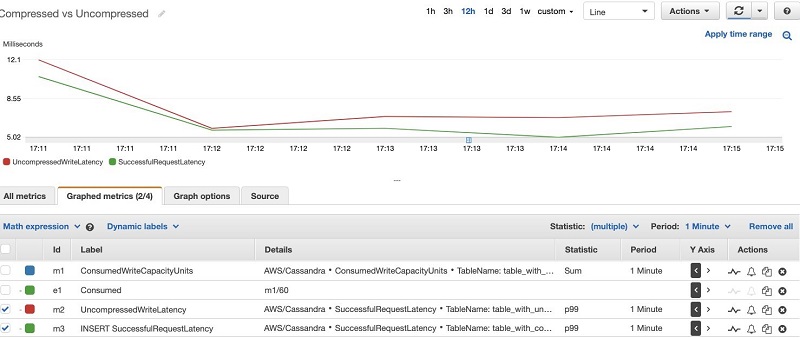
Source: Amazon
3. Azure Managed Instance for Apache Cassandra

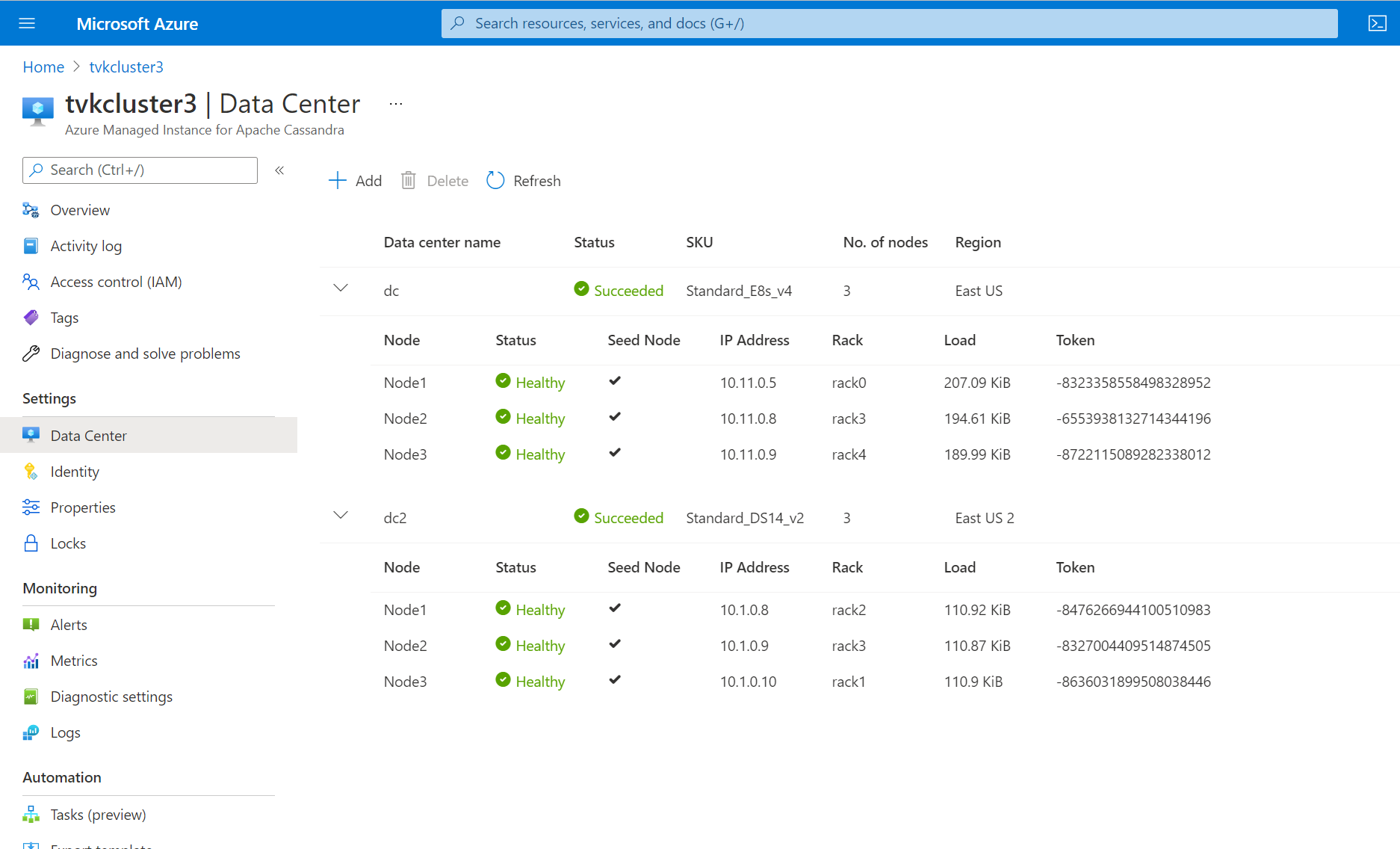
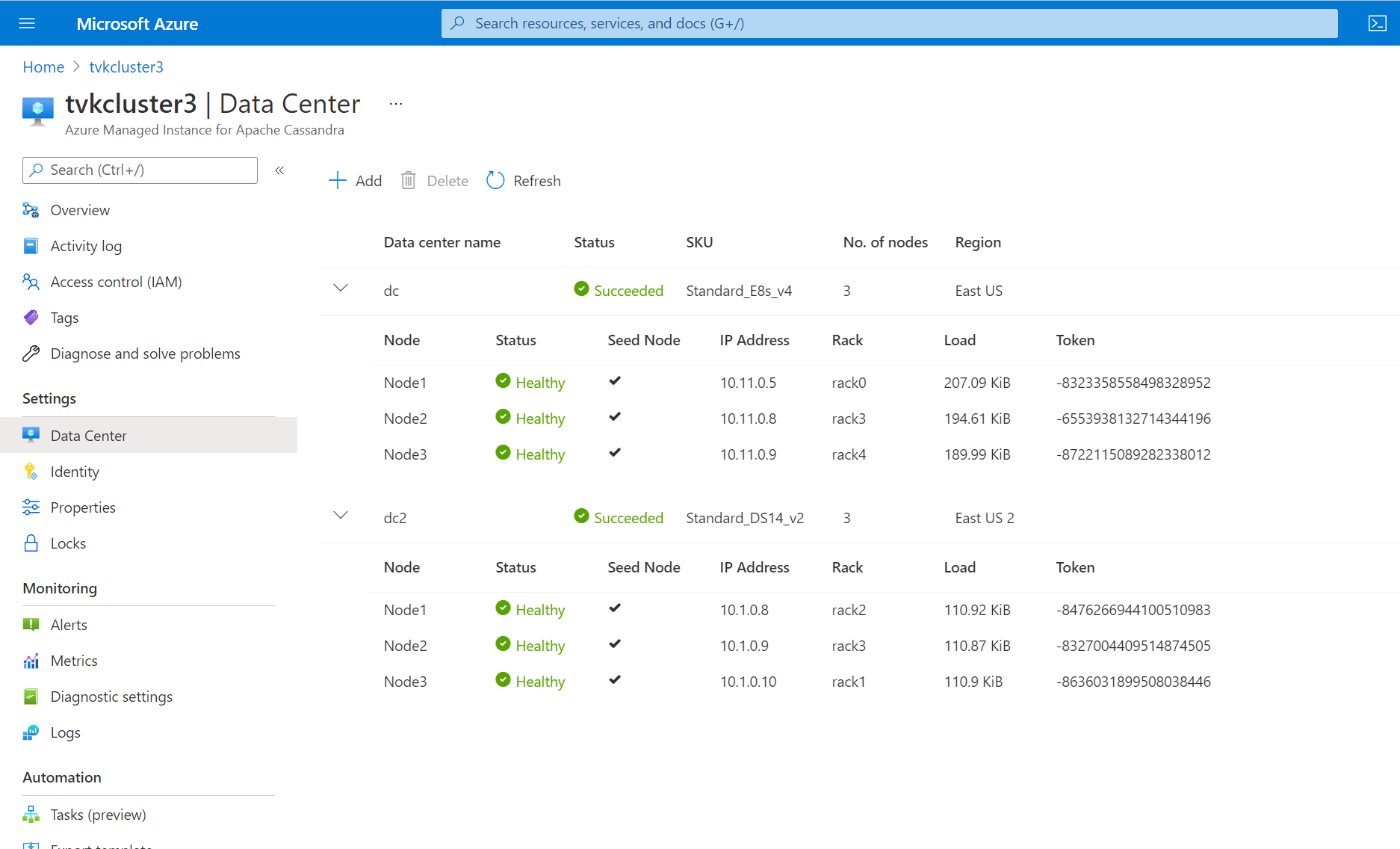
Azure Managed Instance for Apache Cassandra provides a managed Cassandra environment on Azure, enabling organizations to modernize existing Cassandra clusters while retaining compatibility with open source tools and APIs. It reduces operational overhead by automating infrastructure management tasks and supports hybrid deployments across on-premises and cloud environments.
Key features include:
- Managed infrastructure operations: Automates repairs, patching, updates, and maintenance to reduce administrative effort.
- Hybrid deployment support: Enables integration with on-premises and cloud-based Cassandra clusters for flexible architectures.
- Open source compatibility: Maintains compatibility with existing Cassandra tools, drivers, SDKs, and APIs.
- Instance-based scaling model: Allows configuration of CPU cores, VM SKU, memory, and storage to meet workload requirements.
- Automated backups and disaster recovery: Enhances durability and resilience with built-in backup capabilities.
- Integrated security and compliance: Runs within Azure’s secure infrastructure with built-in compliance standards and security controls.
Source: Microsoft
4. OVHcloud Managed Cassandra

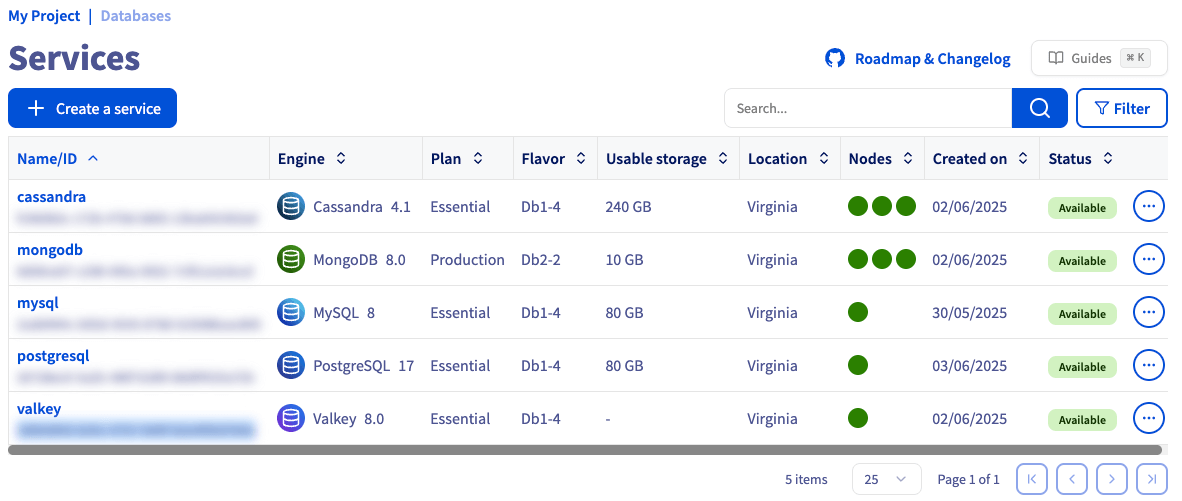
OVHcloud Managed Cassandra is part of OVHcloud’s managed database portfolio, offering a Cassandra service built on open-source standards. It focuses on operational simplicity, predictable billing, and integration within the broader OVHcloud Public Cloud ecosystem, allowing teams to deploy and scale Cassandra clusters without managing underlying infrastructure.
Key features include:
- Open-source foundation: Built on open-source database technologies to reduce vendor lock-in.
- Fully managed operations: Handles setup, maintenance, scalability, and security management.
- Flexible deployment options: Supports resilient configurations in single-availability-zone (1-AZ) or multi-availability-zone (3-AZ) regions.
- Transparent pricing model: Pay-as-you-go billing with hourly or monthly cost visibility.
- Integrated monitoring: Prometheus-based monitoring with real-time insights and automated alerts.
- Security and compliance certifications: Infrastructure certified under ISO/IEC standards and SOC 2 Type 2.
Source: OVHcloud
5. ScyllaDB Cloud

ScyllaDB Cloud is a managed database service built on ScyllaDB, a Cassandra-compatible distributed database designed as a drop-in replacement for Apache Cassandra. It maintains compatibility with Cassandra 3.11 and supports various features from Cassandra 4.0, enabling migration of existing workloads while offering performance optimizations.
Key features include:
- Cassandra API compatibility: Compatible with CQL 3.3.1 and protocol v4, supporting existing drivers and applications.
- Drop-in replacement architecture: Designed to run Cassandra workloads without requiring application rewrites.
- Support for core Cassandra features: Includes replication strategies, consistency levels, secondary indexes, materialized views, and TTL.
- Backup and restore capabilities: Supports snapshots, incremental backups, and restore operations.
- Security and access controls: Provides role-based access control (RBAC), authentication, and encryption options.
- Tooling and operational utilities: Includes nodetool, CQLSh, REST APIs, tracing tools, and benchmarking utilities for cluster management and performance testing.
Non-Cassandra managed NoSQL databases
6. Amazon DynamoDB

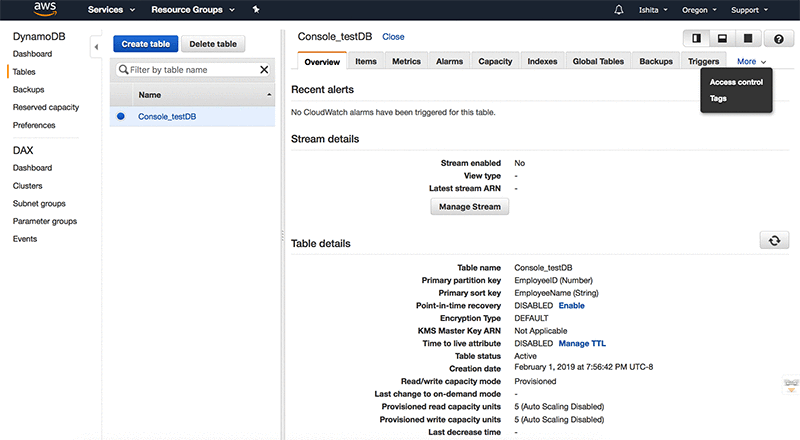
Amazon DynamoDB is a fully managed, serverless NoSQL database designed for key-value and document workloads that require consistent, low-latency performance at scale. It removes the need to manage infrastructure, handles replication and maintenance automatically, and supports globally distributed applications through multi-Region capabilities.
Key features include:
- Serverless architecture: Eliminates infrastructure management, maintenance windows, and manual scaling.
- Single-digit millisecond performance: Delivers consistent low-latency reads and writes at virtually any scale.
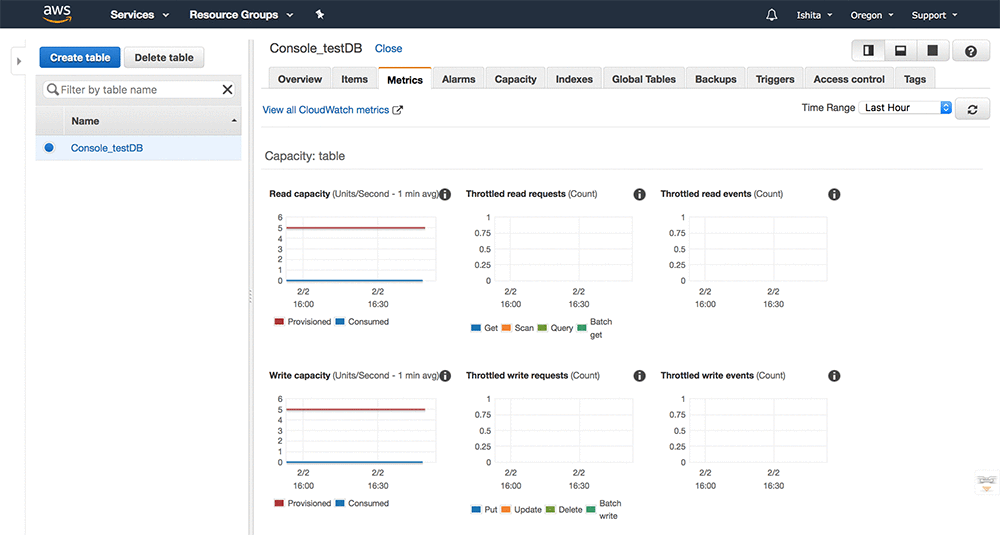
- On-demand and provisioned capacity modes: Supports pay-per-request or provisioned throughput models to match workload patterns.
- Global tables: Enables multi-Region, multi-active replication with strong consistency options.
- High availability design: Built for up to 99.999% availability with multi-Region resilience.
- Integrated security controls: Provides encryption at rest and in transit, IAM-based access control, and VPC integration.
- Native AWS integrations: Works with services such as AWS Lambda, analytics, monitoring, and AI/ML tools.
Source: Amazon
7. Azure Cosmos DB

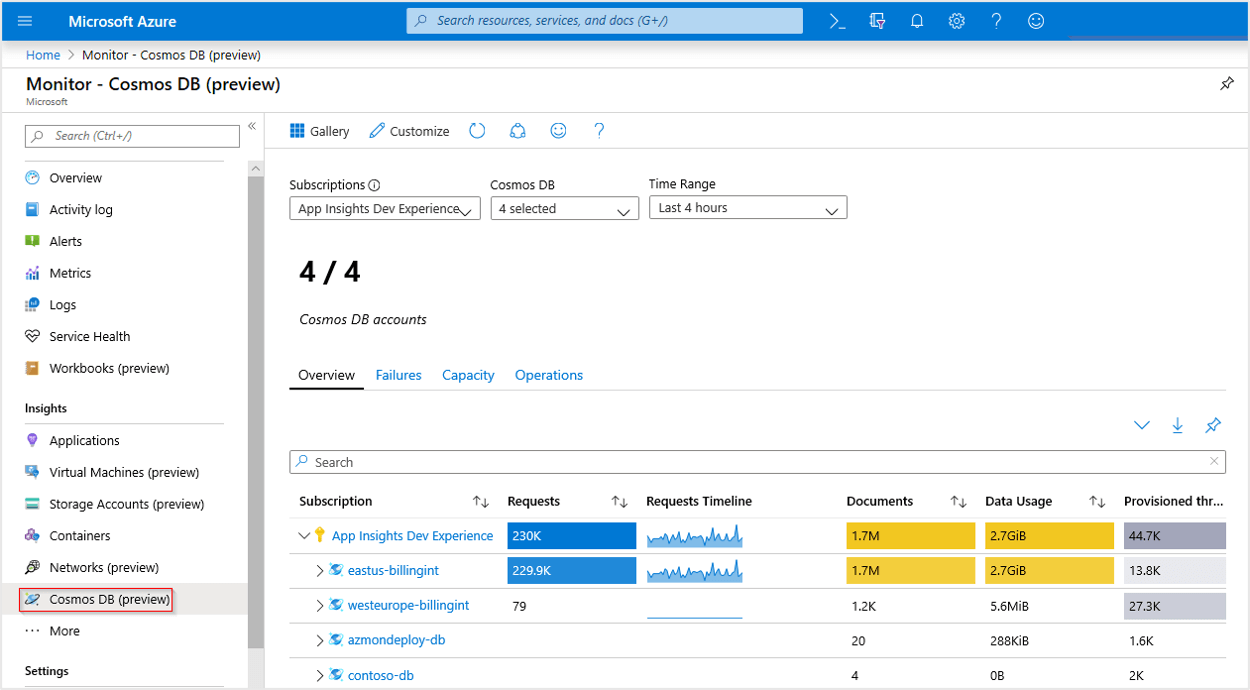
Azure Cosmos DB is a managed, globally distributed NoSQL database platform for low-latency and high-availability applications. It supports multiple data models and APIs, enabling organizations to build applications using document, key-value, graph, and column-family approaches within a single service.
Key features include:
- Multi-model API support: Offers APIs for SQL (document), MongoDB, Cassandra, Gremlin (graph), and Table.
- Global distribution: Replicates data across Azure regions to provide low-latency access worldwide.
- Multi-master replication: Supports active-active writes with automatic conflict resolution.
- Flexible scaling options: Includes autoscale, serverless, and provisioned throughput models.
- Guaranteed SLAs: Provides service-level agreements for availability, throughput, latency, and consistency.
- Vector search capabilities: Supports high-accuracy vector search for AI-powered and semantic search applications.
- Built-in security and compliance: Includes role-based access control and broad compliance certifications across global standards.
Source: Microsoft
8. Google Cloud Bigtable

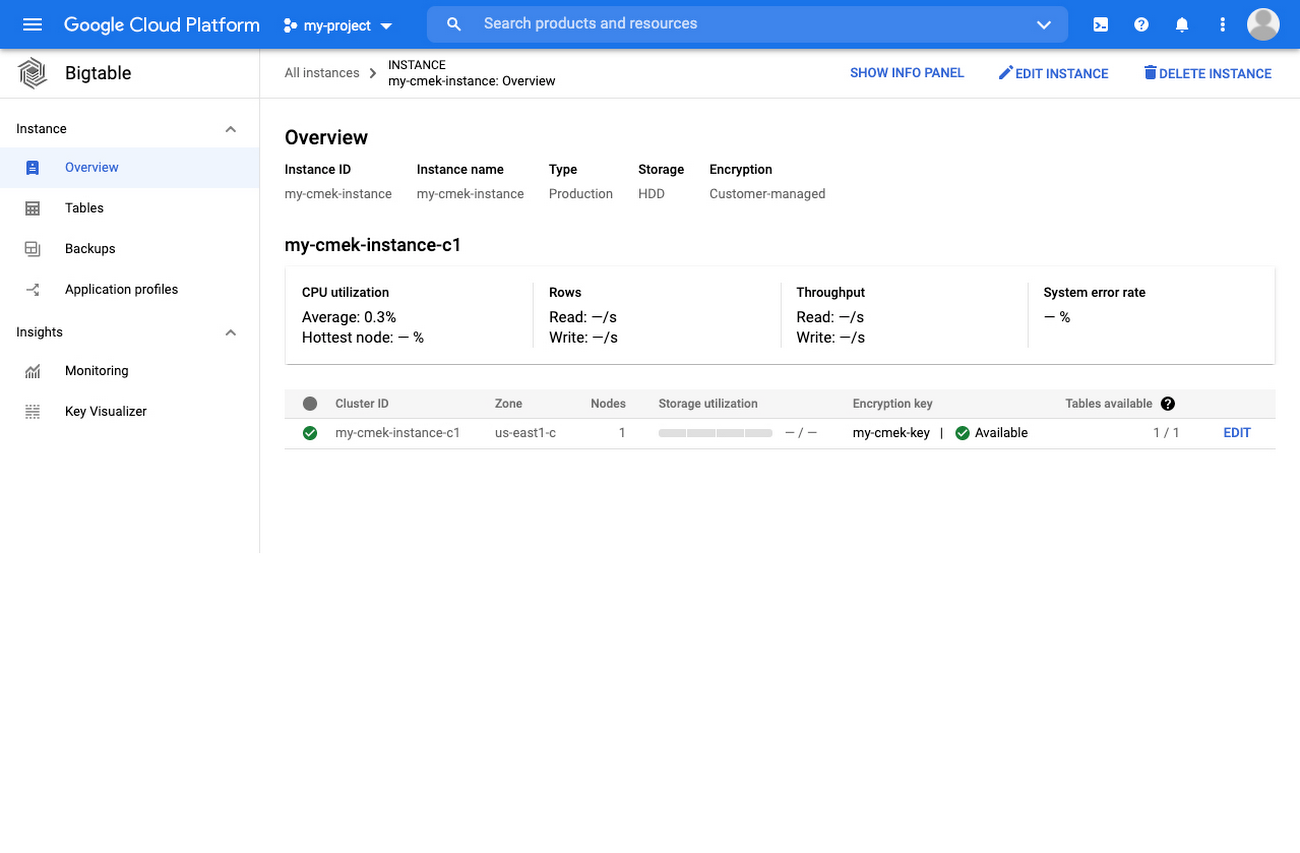
Google Cloud Bigtable is a fully managed, wide-column NoSQL database optimized for large-scale, latency-sensitive workloads. It is intended for operational analytics, machine learning infrastructure, time-series data, and high-throughput applications that require horizontal scalability and performance consistency.
Key features include:
- Low latency and high throughput: Supports high-performance reads and writes for real-time and analytical workloads.
- Horizontal scalability: Decouples compute and storage, allowing nodes to be added for linear scaling of read and write capacity.
- Wide-column data model: Suitable for structured, semi-structured, and time-series datasets.
- Multi-region replication: Replicates data across clusters and regions with strong consistency guarantees.
- SQL interface and materialized views: Provides SQL support and incremental materialized views for real-time metrics.
- Migration tooling and API compatibility: Supports Cassandra and HBase APIs with tools for live and batch migrations.
- Integration with Google Cloud ecosystem: Works with BigQuery, Dataflow, and AI/ML services for analytics and machine learning use cases.
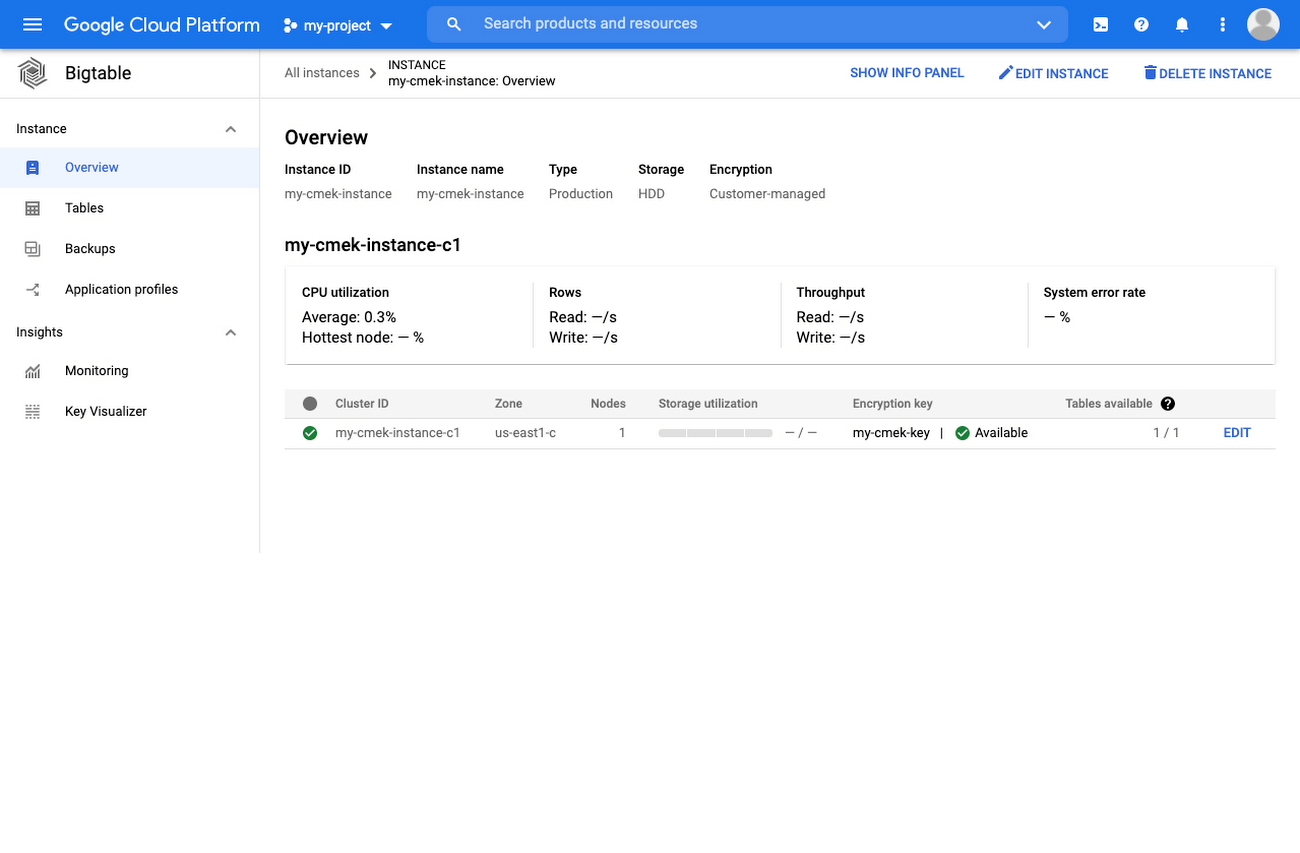
Source: Google Cloud
Related content: Read our guide to DataStax Studio
Conclusion
The database management landscape is evolving rapidly, with numerous solutions catering to different scalability, performance, and flexibility needs. Organizations must assess their requirements, including workload demands, data consistency needs, and cloud integration preferences, to select the right platform. As competition intensifies, innovation in distributed databases and NoSQL technologies will continue to shape how businesses handle large-scale data processing and real-time applications.