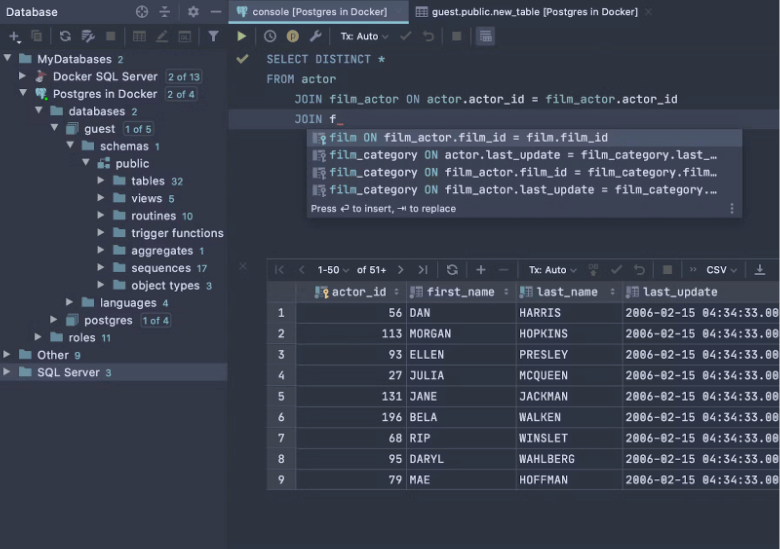
What is a managed open source database?
Managed open source databases are cloud-based database services that leverage open source database software, but the service provider handles the infrastructure management, maintenance, and scaling. This allows users to benefit from open source flexibility and cost-effectiveness without the operational overhead of managing the database themselves.
Service providers for managed open source databases oversee routine operations such as patching, scaling, backup, monitoring, and security compliance. This provides value, but also comes at a cost: running open source databases as a managed service typically incurs ongoing costs related to the level of services provided, the computing resources used, and the volume of data storage required.
Editor’s note: Updated information about managed open source databases to reflect features and capabilities in 2026, and added two new services.
This is part of a series of articles about open source AI
Key benefits of managed open source databases
Managed open source databases offer a simplified path to using database technologies without the operational burden. By outsourcing management tasks to experienced providers, organizations can unlock several technical and business advantages:
- Reduced operational overhead: Routine tasks like provisioning, configuration, patching, monitoring, and backups are automated or handled by the provider. This reduces the need for dedicated database administrators and lowers the risk of human error.
- Cost-effectiveness: Leveraging open source software eliminates licensing fees, and managed services reduce the need for in-house infrastructure and expertise. This leads to predictable, usage-based pricing that aligns with organizational budgets.
- Scalability and performance: Managed platforms typically offer built-in scaling mechanisms, both vertical and horizontal. Resources can be adjusted dynamically based on workload, ensuring consistent performance under varying demand.
- Focus on application development: Developers can concentrate on building and optimizing applications without being distracted by database maintenance. This accelerates development cycles and improves time to market.
- Access to expert support: Managed service providers usually offer 24/7 support with experienced engineers. This ensures faster issue resolution and guidance on best practices for database performance, security, and reliability.
Key features of managed open source databases tools
Automated provisioning and deployment
Automated provisioning and deployment enable organizations to quickly spin up new database instances with standardized configurations and best practices pre-applied. This removes the need for manual setup and reduces the time required to make databases operational. Cloud-native APIs or management consoles make the process largely self-service and repeatable, ensuring consistency across environments.
Automation in deployment extends to consistent updates and repeating environments for testing, staging, and production. The managed approach lowers the probability of configuration drift and misconfiguration. It allows organizations to maintain database environments in sync and respond promptly to changing application needs.
Automatic backups and recovery
Managed open source databases offer fully automated backup schedules, often with versioning and retention policies that are configurable through simple dashboards or APIs. This ensures that critical business data is routinely protected without relying on manual intervention or periodic checks. Providers typically store backups in multiple physical locations or regions, adding another level of resilience against data loss.
Recovery workflows are also simplified and able to restore databases from any backup with minimal downtime. In disaster or data corruption scenarios, these features enable rapid recovery to a specific point in time, ensuring business continuity. Users also benefit from granular restore options, such as single-table or row-level recovery.
High availability and failover
High availability in managed open source databases is achieved by replicating data across multiple nodes or availability zones. This design ensures that if one node or even an entire region fails, the database remains online and accessible, shifting workloads automatically. Providers typically implement automatic failover mechanisms, switching connections from a failed primary node to a standby replica with no or minimal interruption to ongoing transactions.
These capabilities are crucial for mission-critical applications where downtime equates to direct business losses. Managed platforms often offer customizable replication strategies and service-level agreements (SLAs) for availability. The built-in failover mechanisms mean enterprises can meet business continuity objectives without building custom architectures.
Monitoring and performance insights
Managed open source database services usually provide deep visibility into database performance metrics via dashboards, alerts, and APIs. This includes real-time and historical insights on throughput, latency, query execution, resource utilization, and abnormal patterns. Such transparency helps organizations detect bottlenecks and resolve performance issues before they escalate.
Monitoring tools come with pre-configured alert thresholds and integration options for external observability platforms. Features like query analysis, slow-query logging, and index recommendations are built in, guiding database optimization efforts. Engineering teams can make data-driven decisions, tune workloads, and maintain optimal application performance.
Learn more in our detailed guide to open source monitoring
Security and compliance support
Security features in managed open source database platforms include encryption at rest and in transit, access controls, role-based permissions, and audit logging. Providers implement regular patching and updates to address known vulnerabilities, making it easier for organizations to keep data protected and meet security best practices by default.
Compliance management—covering standards like GDPR, HIPAA, or PCI DSS—is often integrated into the managed service. Features like isolated environments, audit trails, and pre-built compliance templates help organizations satisfy regulatory requirements with less manual work. Centralized security management also simplifies credential rotation, multi-factor authentication, and incident response, reducing the risk of breaches.
Notable managed open source databases solutions
Multi-engine managed database platforms
1. NetApp Instaclustr

Instaclustr is a leading platform for open source database management, offering fully managed solutions that simplify the deployment, operation, and scaling of powerful open source technologies. Designed for businesses seeking reliability, performance, and scalability, Instaclustr provides a seamless way to manage databases without the complexity of manual configurations or maintenance.
By leveraging its expertise in open source technologies like Apache Cassandra, PostgreSQL, Kafka and OpenSearch, Instaclustr ensures high availability, robust security, and optimal performance for mission-critical applications. With a focus on automation, monitoring, and support, Instaclustr empowers organizations to focus on innovation while leaving the heavy lifting of database management to the experts.
Key features of Instaclustr
- Fully managed open source: Instaclustr provides end-to-end management of open source technologies like Apache Cassandra, PostgreSQL, Kafka, OpenSearch, and more, ensuring optimal performance and reliability.
- High availability and scalability: The platform is designed to handle mission-critical workloads with ease, offering automatic failover, replication, and the ability to scale horizontally or vertically as needed.
- Comprehensive monitoring and alerts: Instaclustr includes advanced monitoring tools that provide real-time insights into database performance, with proactive alerts to address potential issues before they impact operations.
- Robust security: With features like encryption at rest and in transit, role-based access control, and regular security updates, Instaclustr ensures that your data is protected at all times.
- 24/7 expert support: Instaclustr’s team of open source experts is available around the clock to provide assistance, troubleshoot issues, and ensure smooth database operations.
- Automated backups and disaster recovery: The platform offers automated backup solutions and disaster recovery options to safeguard data and minimize downtime in case of unexpected events.
- Multi-cloud and on-premise support: Instaclustr supports deployment across major cloud providers like AWS, Azure, and Google Cloud, as well as on-premise environments, offering flexibility to meet diverse infrastructure needs.
- Open source expertise: As a champion of open source technologies, Instaclustr ensures that its solutions are free from vendor lock-in, giving businesses the freedom to innovate and adapt.
- Achieve optimal outcomes for GenAI projects: Leverage existing technologies such as Cassandra, PostgreSQL or OpenSearch to enhance AI outcomes with vector search capabilities and move GenAI projects from pilot to production.
2. Amazon RDS

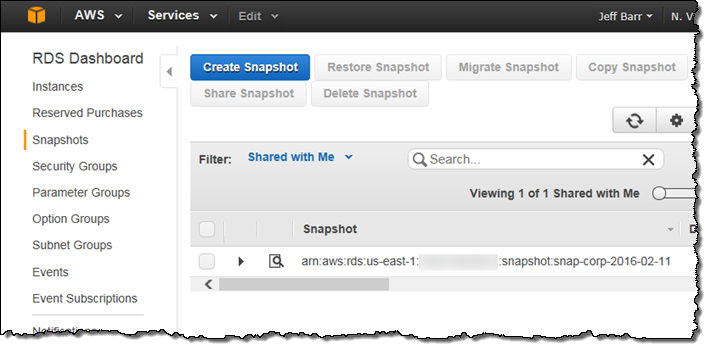
Amazon RDS is a managed relational database service that supports multiple database engines, including open source options such as MySQL and PostgreSQL. It automates common administration tasks such as provisioning, configuration, backups, patching, and scaling, helping run relational databases in production. The service also provides deployment flexibility, high availability options, and performance features for a range of workloads.
Key features include:
- Support for multiple engines: Supports several relational engines, including MySQL and PostgreSQL, in managed deployments.
- Automated management: Handles provisioning, configuration, backups, and patching to reduce operational overhead.
- High availability: Supports Multi-AZ deployments for failover and improved resilience.
- Scalable infrastructure: Allows databases to scale with workload demand.
- Performance optimization: Includes features such as optimized reads and writes, readable standbys, and support for AWS Graviton3-based instances.
- Flexible deployment options: Supports cloud and on-premises deployment models across supported engines.

Source: Amazon
3. Azure Database for MySQL and PostgreSQL

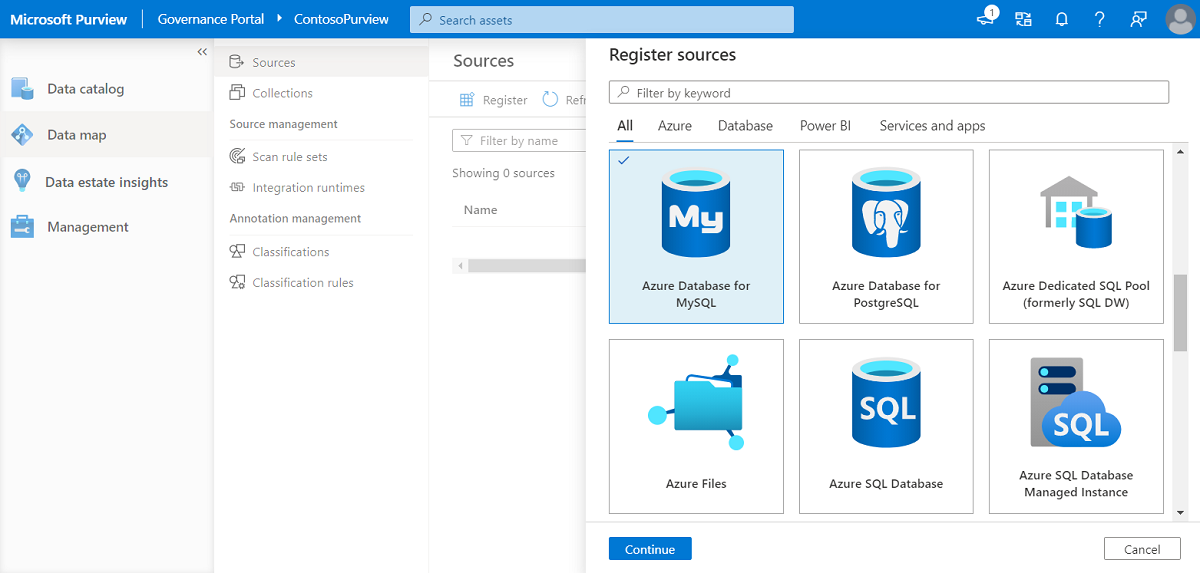
Azure Database for MySQL and Azure Database for PostgreSQL are managed database services built on open source engines. They remove much of the infrastructure and maintenance burden by handling operations such as scaling, security, updates, and availability. Azure positions MySQL for general application workloads and PostgreSQL for more advanced and AI-related scenarios, while both services integrate closely with the Azure platform.
Key features of Azure Database for MySQL include:
- Open source compatibility: Provides a managed MySQL service based on the community edition.
- Performance insights: Offers recommendations and analysis to help optimize database performance.
- Security and compliance: Includes Microsoft Defender integration and built-in compliance controls.
- Azure integration: Works with services such as Azure App Service, Azure Functions, and Azure Kubernetes Service.
- Independent scaling: Supports separate scaling of compute, memory, and storage.
Key features of Azure Database for PostgreSQL include:
- AI capabilities: Supports vector search, local embeddings, and Azure AI extensions for AI-oriented workloads.
- Autonomous tuning: Uses machine learning to improve database performance.
- Distributed PostgreSQL support: Provides elastic clusters for scaling PostgreSQL across nodes.
- Extension and language support: Supports features such as JSONB, PostGIS, PLV8, and common language ecosystems.
- High availability and scaling: Automates maintenance, patching, and scaling with minimal downtime.
- Migration support: Provides online and offline migration options for moving PostgreSQL workloads to Azure.

Source: Microsoft
Specialized / Purpose-built Managed Database Solutions
4. MongoDB Atlas

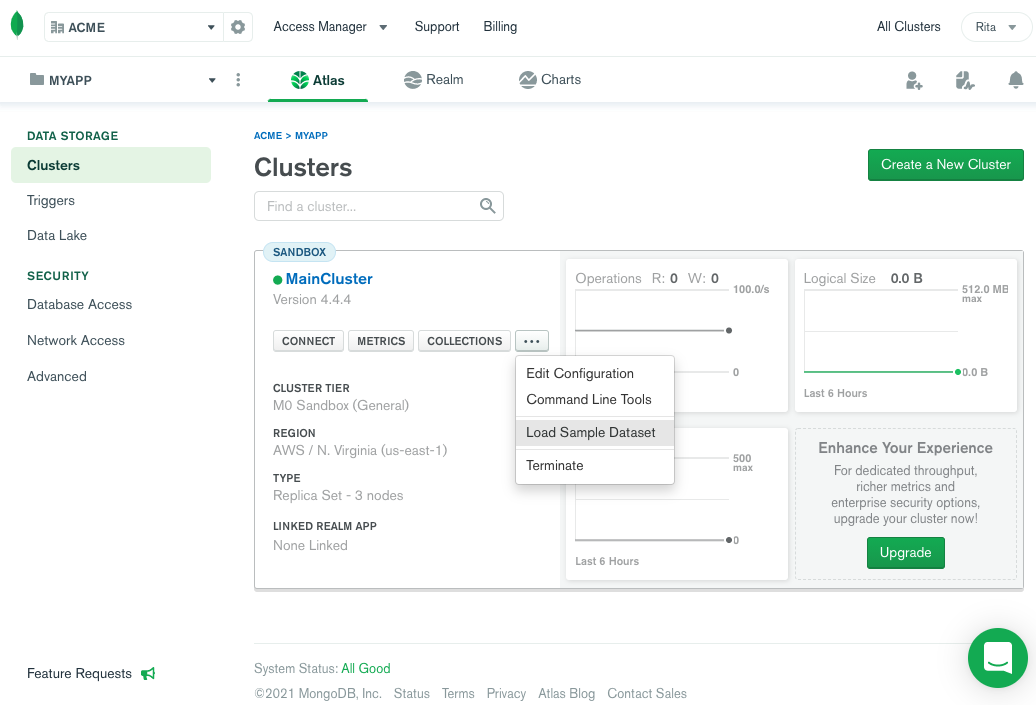
MongoDB Atlas is a managed cloud database service built around MongoDB’s document model. It abstracts operational tasks such as infrastructure setup, scaling, upgrades, and security, while supporting global deployments and modern application patterns. Atlas also includes built-in capabilities for search, vector search, and stream processing, making it suitable for transactional, analytical, and AI-enabled applications.
Key features include:
- Document data model: Stores data in flexible JSON-like documents that align closely with application objects.
- AI and vector search support: Supports vector search for retrieval-augmented generation and related AI use cases.
- Global scalability: Supports multi-region and multi-cloud deployments across AWS, Azure, and Google Cloud.
- Automated scaling and upgrades: Adjusts resources and performs upgrades without requiring manual database administration.
- Built-in search and stream processing: Includes native support for full-text search, vector search, and stream processing.
- Enterprise security controls: Provides encryption, access controls, automatic updates, and visibility into database activity.
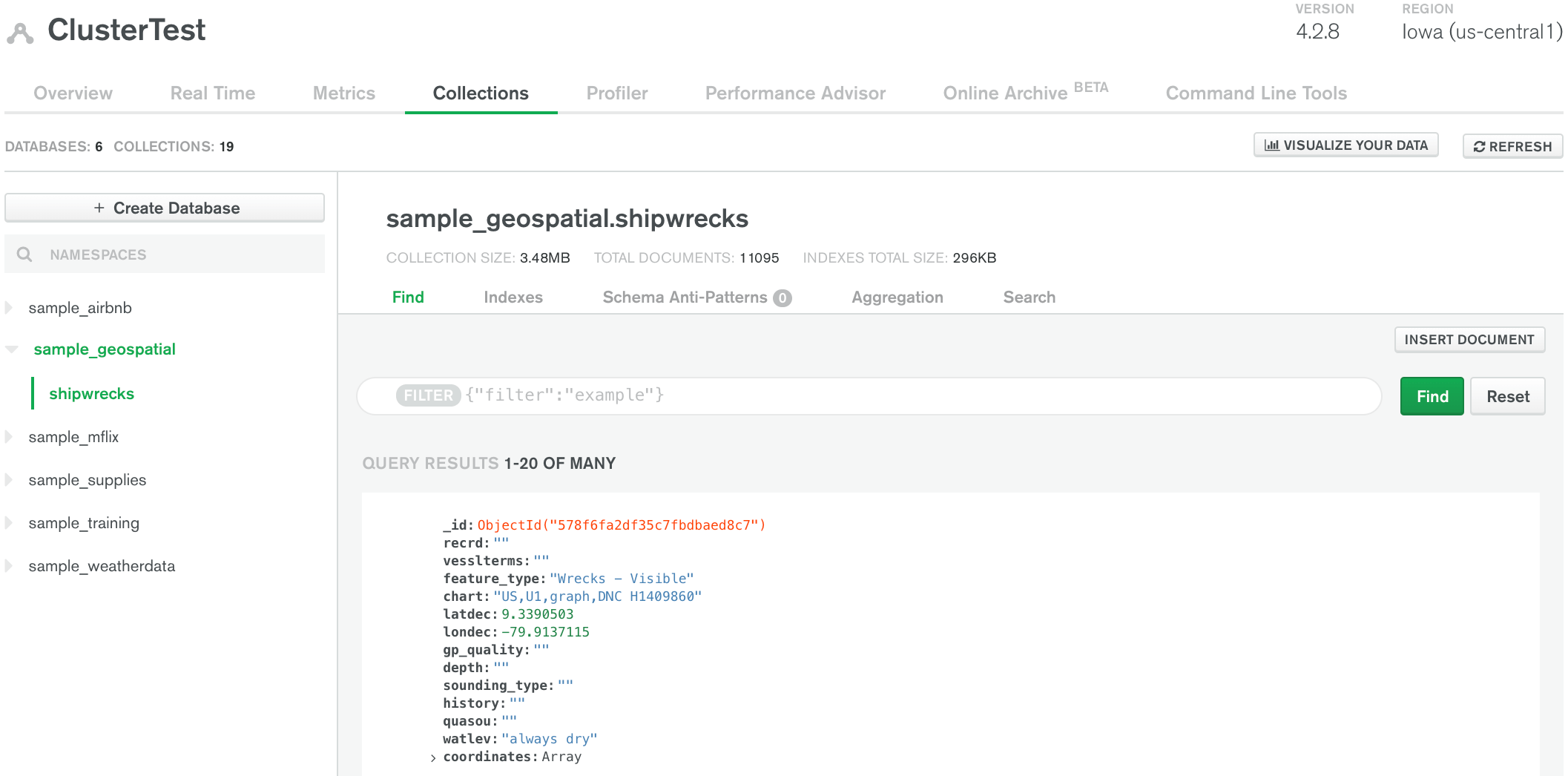
Source: MongoDB
5. Google Cloud SQL

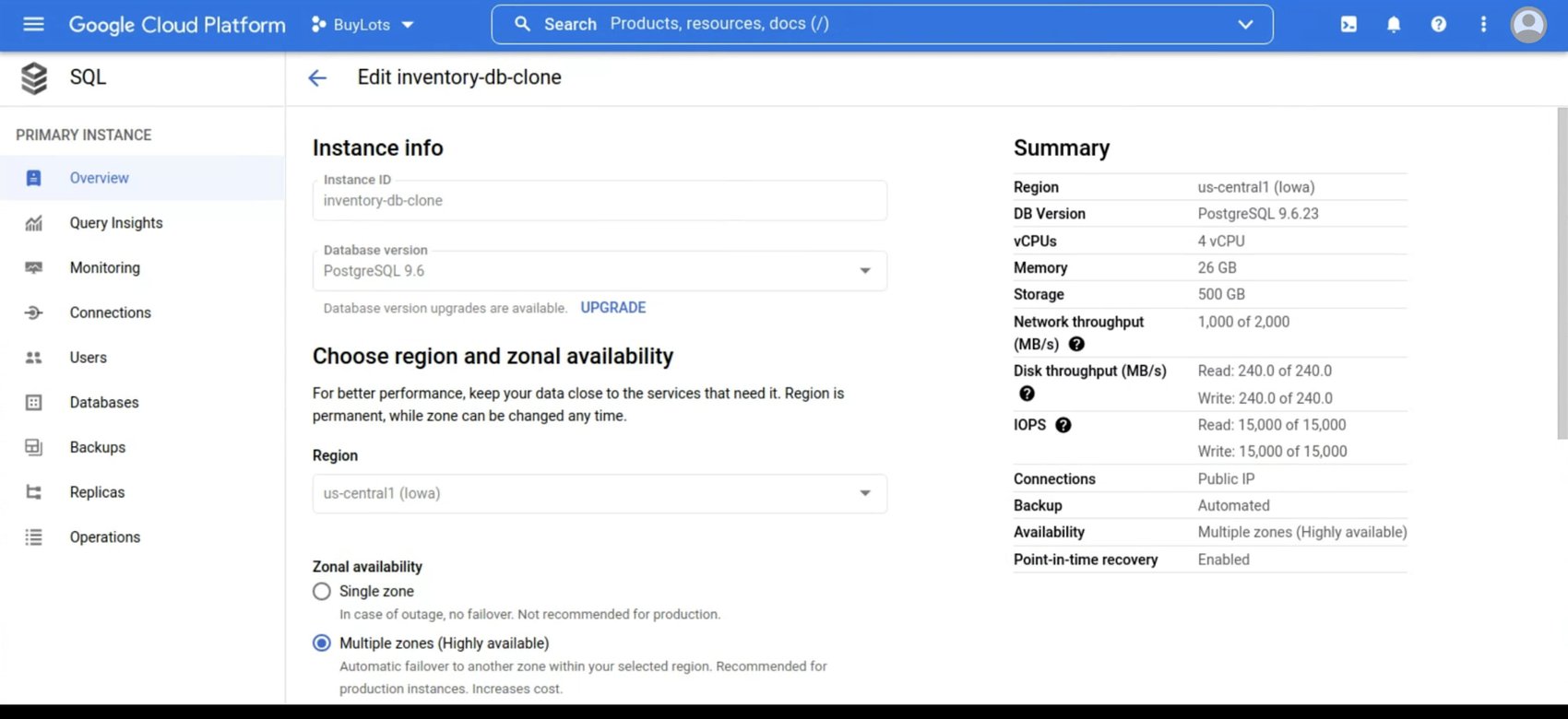
Google Cloud SQL is a fully managed relational database service that supports open source engines such as PostgreSQL and MySQL. It automates administrative tasks including backups, replication, patching, and scaling, allowing teams to run production databases without managing infrastructure.
Key features include:
- Fully managed operations: Automates backups, replication, patching, and storage management to reduce operational effort.
- High availability and failover: Supports multi-zone deployments with automatic failover and strong availability SLAs.
- Scalable performance options: Offers configurable compute and storage with different performance tiers for varied workloads.
- AI-assisted management: Provides AI-driven assistance for performance optimization, monitoring, and database operations.
- Security and compliance: Includes encryption, private networking, and compliance with standards such as PCI DSS and HIPAA.
- Ecosystem integration: Works with Google Cloud services and standard database drivers for easy application connectivity.
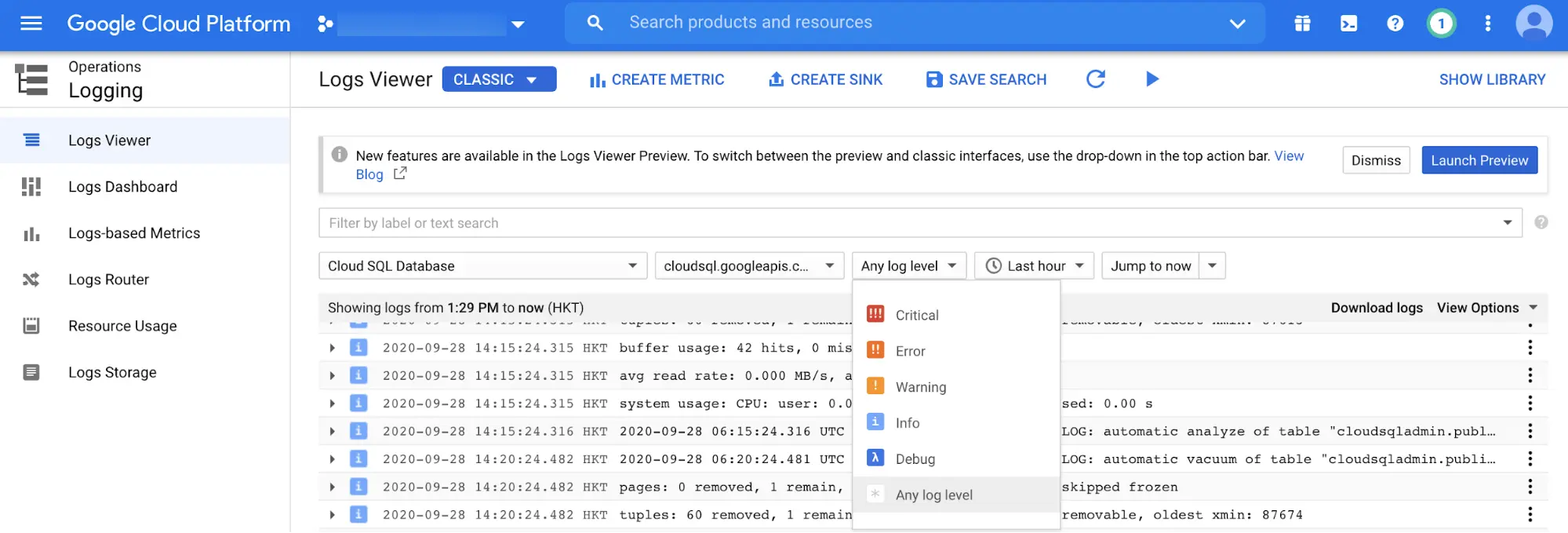
Source: Google Cloud
6. Dragonfly Cloud

Dragonfly Cloud is a managed in-memory data service for high-throughput, low-latency workloads such as caching, message queues, feature stores, and real-time analytics. It abstracts infrastructure management by letting users provision memory capacity while the platform handles scaling and operations. The service is also compatible with Redis and Memcached APIs, which can simplify migration from existing in-memory stores.
Key features include:
- Managed in-memory infrastructure: Handles deployment and operations while users manage capacity at the memory level.
- Automatic scaling: Scales to accommodate spiky and unpredictable traffic patterns.
- Redis and Memcached compatibility: Supports existing Redis and Memcached APIs without requiring code changes.
- Flexible cloud placement: Allows deployment in a chosen cloud and region for lower latency integration.
- High throughput and low latency: Optimized for real-time workloads that require fast response times.
- Cost-efficient architecture: Uses a multi-threaded, shared-nothing design to improve hardware efficiency.
7. CockroachDB Cloud

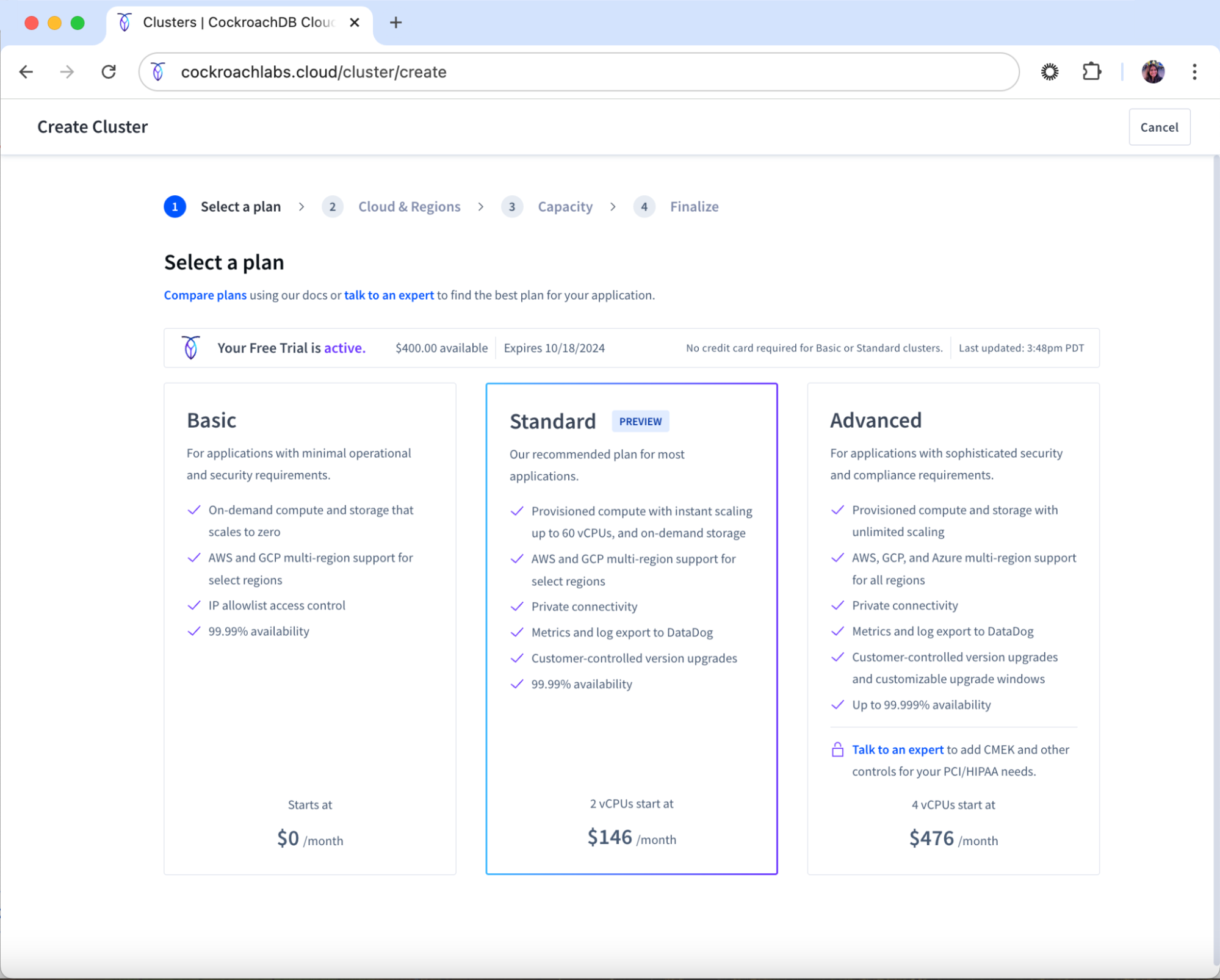
CockroachDB Cloud is a managed distributed SQL database service that automates database operations while providing horizontal scalability, resilience, and transactional consistency. It is intended for applications that require high availability across regions and clouds, without manual sharding or complex failover setup. The platform supports both predictable and variable workloads through different deployment and pricing models.
Key features include:
- Managed operations: Automates provisioning, scaling, upgrades, and backups.
- Horizontal scaling: Scales reads and writes across nodes without manual sharding.
- High availability: Supports up to 99.999% availability with multi-active clusters and rolling upgrades.
- ACID transactions at scale: Maintains transactional consistency under concurrent, distributed workloads.
- Global low-latency deployment: Spans regions to keep data close to users and reduce latency.
- Multi-cloud and BYOC options: Supports deployment across public clouds and bring-your-own-cloud models.
Source: CockroachDB
8. Aiven for Valkey

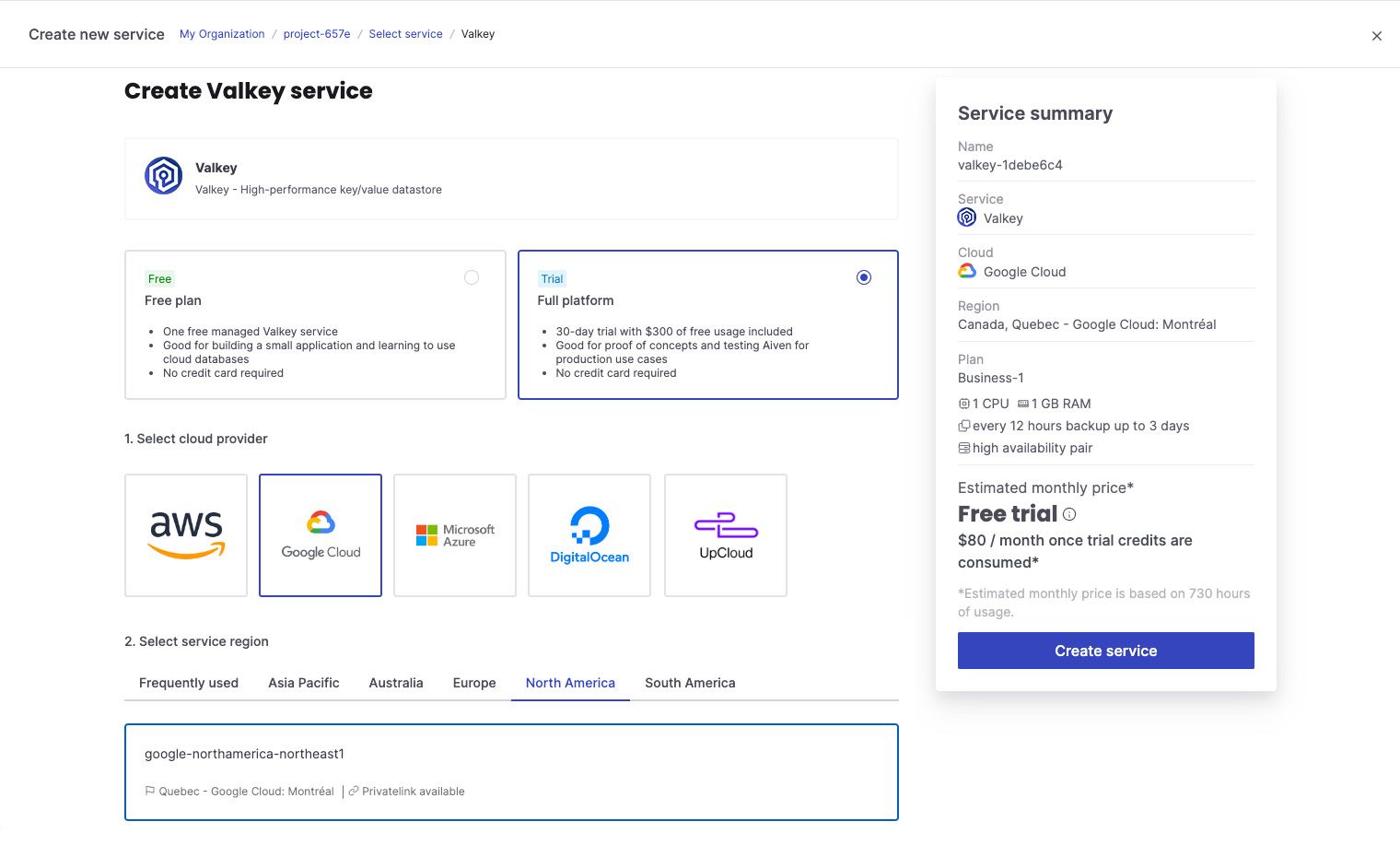
Aiven for Valkey is a managed in-memory NoSQL database service for low-latency data access and high-throughput workloads such as caching, session management, and real-time analytics. Built on the open-source Valkey project, it remains compatible with Redis OSS APIs, allowing applications to migrate without code changes.
Key features include:
- Managed in-memory database service: Automates deployment, maintenance, scaling, updates, and backups for Valkey clusters.
- Redis OSS compatibility: Supports Redis OSS 7.2.4 APIs and data structures for seamless migration from existing Redis deployments.
- High-performance data access: Provides low-latency, in-memory processing for caching, session storage, and real-time workloads.
- Multi-cloud deployment options: Supports deployment across public cloud providers and global regions.
- Integrated observability and networking: Works with tools such as Datadog and Prometheus and supports secure connectivity through VPC peering and PrivateLink.
- Flexible management and automation: Supports administration through the Aiven Console, CLI, and Terraform provider for DevOps workflows.
- Automatic backups and migration support: Includes configurable backups and migration tools for moving data from Redis or Valkey environments with minimal downtime.
Source: Aiven
Conclusion
Managed open source databases offer a compelling combination of open source flexibility and enterprise-grade operational support. They abstract the complexity of database administration while delivering automation, scalability, and integrated security. This allows organizations to deploy reliable, performant data infrastructure without diverting resources from core development efforts.